
Blog
Doors on Houses Built Before Insulation Rules
Across Spring's 1970s-2000s housing stock, original garage doors often predate insulation standards. Here's when that matters and when it's fine to wait.
When Waiting Is Fine
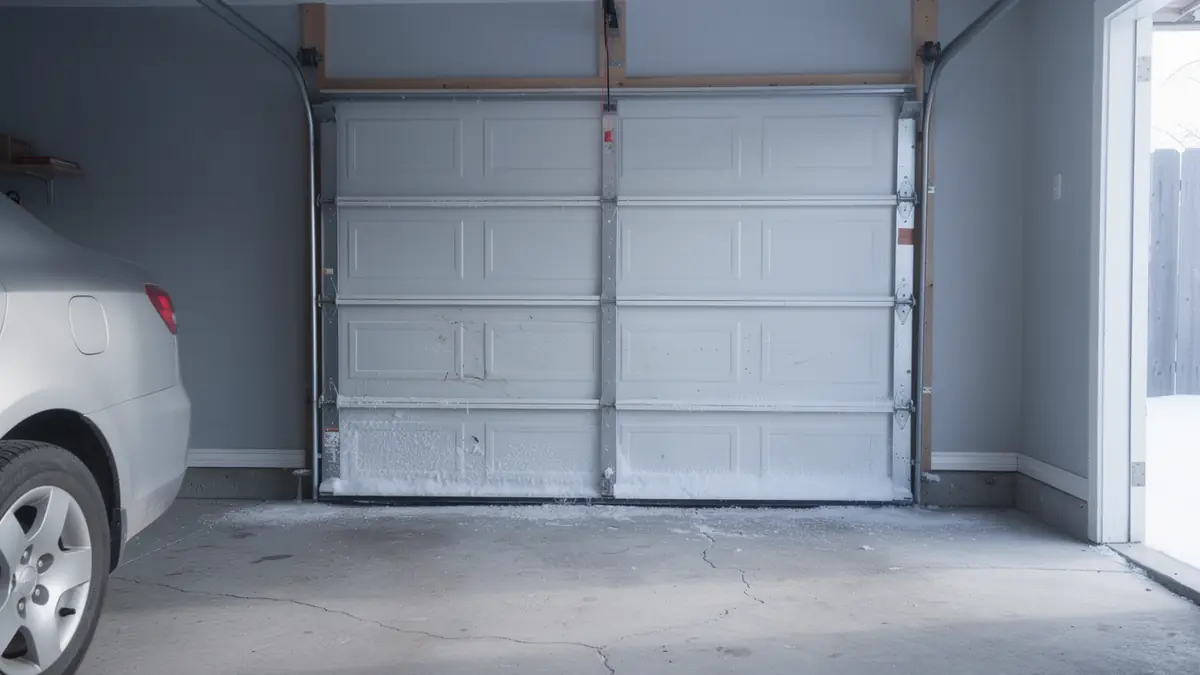
Most of the housing across this service area went up between 1971 and 2011, with the heaviest building in the 1980s and 90s. If your door is original to a house from that stretch, it's probably a single-layer steel slab - no foam core, no thermal break, just painted metal over an aluminum frame. That's not an emergency by itself. A door like that can run fine for decades if the springs are balanced and the rollers aren't seized. If it opens smooth, seats flat on the slab, and the opener doesn't strain on the lift, you don't need to touch it yet. The lack of insulation is a comfort and energy issue, not a safety one, unless the panel itself is warped or the bottom seal has rotted through. Plenty of owners in homes built across this era are still running the original door. Don't let anyone talk you into replacing a door that still does its job just because it's old. Wait until something actually fails - a cracked panel, a spring that lets go, a track pulling from the wall - and deal with the insulation question at that point, not before.
The Problem
The problem shows up slowly. A door built before insulation requirements tightened has a thin steel skin that expands and contracts with outdoor temperature all day, every day. Over 30-plus years that cycling works the seams at the top and bottom brackets, and the factory weatherstrip - never rated to last this long - shrinks and cracks. With roughly 7,500 owner-occupied houses across this area carrying doors from that same build window, this is less an exception than a pattern. You feel it as a garage that runs 10-15 degrees hotter than outside air in summer, and a door that rattles more than it used to on windy days. None of that is dangerous. It's just a door doing exactly what an uninsulated steel slab does after three decades of sun on one side and AC on the other. The honest limit here: we can't make a 1980s single-layer door perform like an insulated one. Weatherstrip and a bottom seal help some. A new panel or full door replacement is the only real fix if the heat gain actually bothers you.
What the Weather Here Does to It
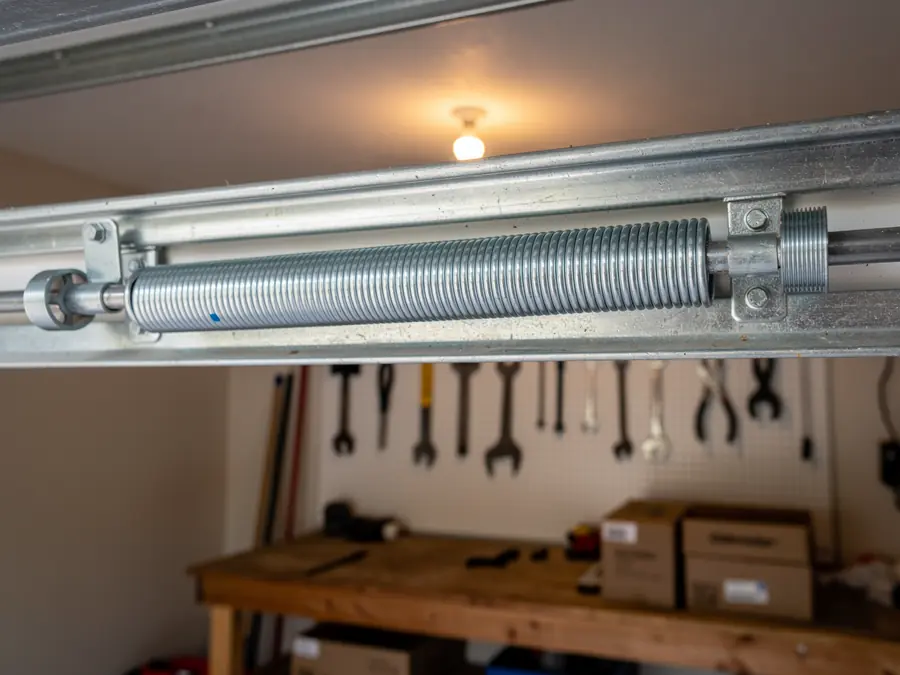
This area sits in a moderate-heat climate band, not an extreme one, so the garage door isn't fighting the kind of punishing swings you'd see further west or further south in the state. What it does fight is steady, long-season heat load. A garage attached to a house with central AC absorbs outdoor heat through an uninsulated door for most of the year, and that heat migrates through the shared wall into the house itself. On a door built before insulation rules existed, there's nothing in the panel to slow that transfer - it's bare steel radiating straight through. The hardware holds up fine in this climate; we're not seeing the spring fatigue or track corrosion you'd get somewhere humid and coastal. The issue is purely thermal, and it's gradual. You won't notice a sudden change. You'll notice the garage is the hottest room in the house by July, every July, and that the AC runs longer than it should because of a 30-year-old door doing what it was built to do before anyone cared about R-value.
What to Look At First
Start with the weatherstrip at the bottom of the panel and the vinyl seal where the door meets the jamb on both sides. On a door this old, it's usually cracked, flattened, or missing in sections, and it's the cheapest fix with the biggest payoff - most of the heat and dust gets in there, not through the steel. Next, check the panel itself for visible warping, especially the bottom section, which takes the most sun. If it's still flat, the door has life left. Then look at the household math: with median income in this area around $82,810, a full insulated replacement is a real budget decision, not an impulse buy, and it's fair to weigh it against just sealing up what you have. If you're in one of the nearby pockets - Porter Heights, Oak Ridge North, Shenandoah - the housing age runs similar, so the same checklist applies. We'll look at the door in person before recommending replacement over a seal job.
Services
Garage door services in Spring
- 01
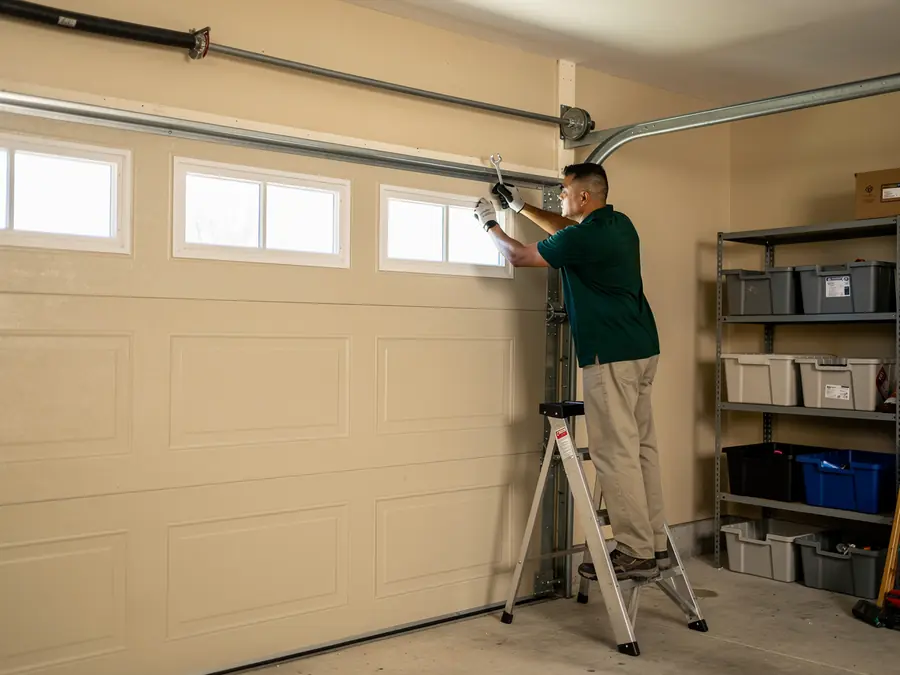 Garage Door RepairSpring Garage Door Co fixes broken springs, worn openers, and track trouble on the torsion-era doors common across Spring, TX homes built 1971-2011.
 - 02
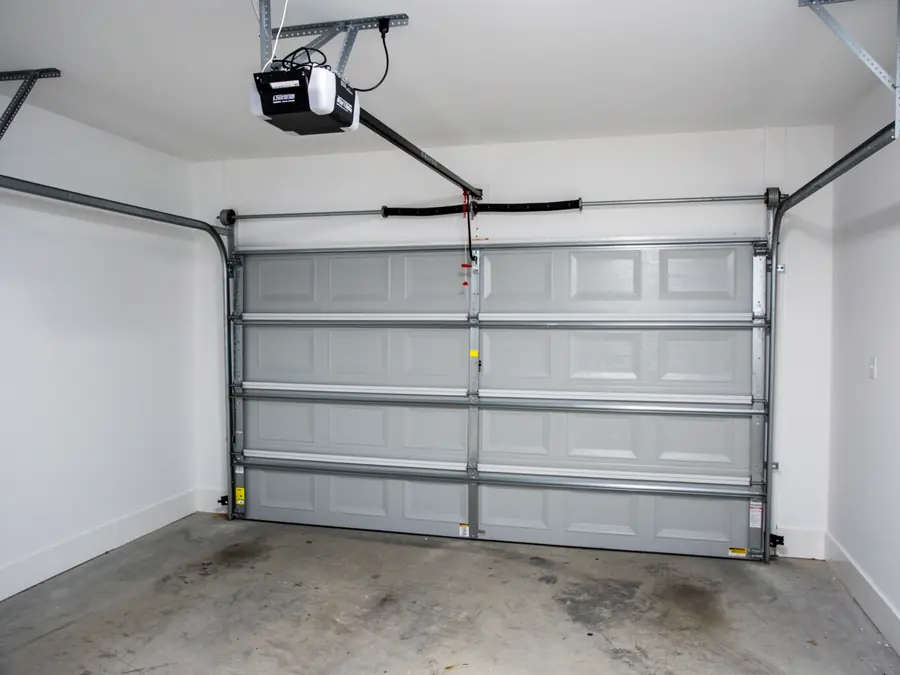 Garage Door InstallationSpring Garage Door Co installs new garage doors for Spring, TX homes built mostly between 1971 and 2011, matched to the area's heat and local door sizes.
 - 03
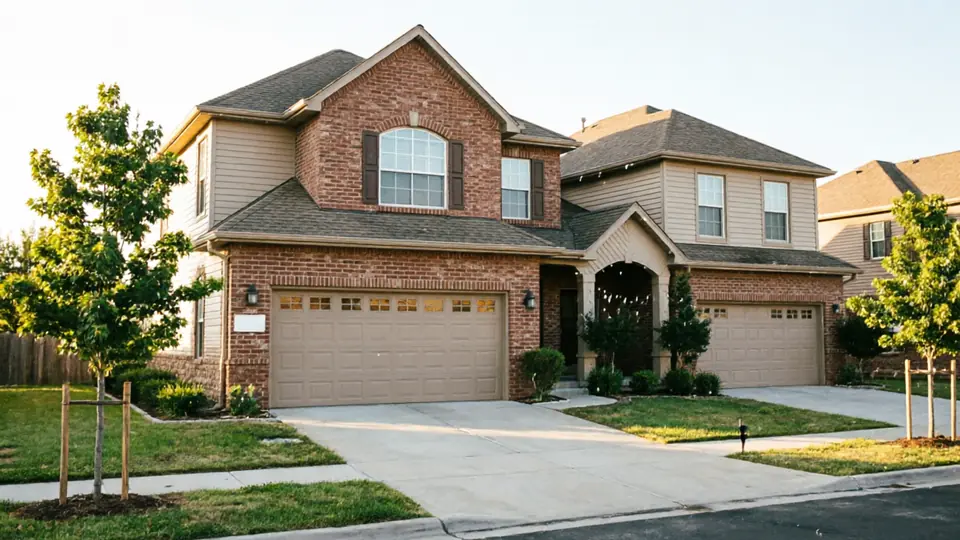 Garage Door ServiceSpring Garage Door Co services garage doors built during Spring's 1980s-90s boom, from Porter Heights to Oak Ridge North. Call for repair or tune-up today.
 - 04
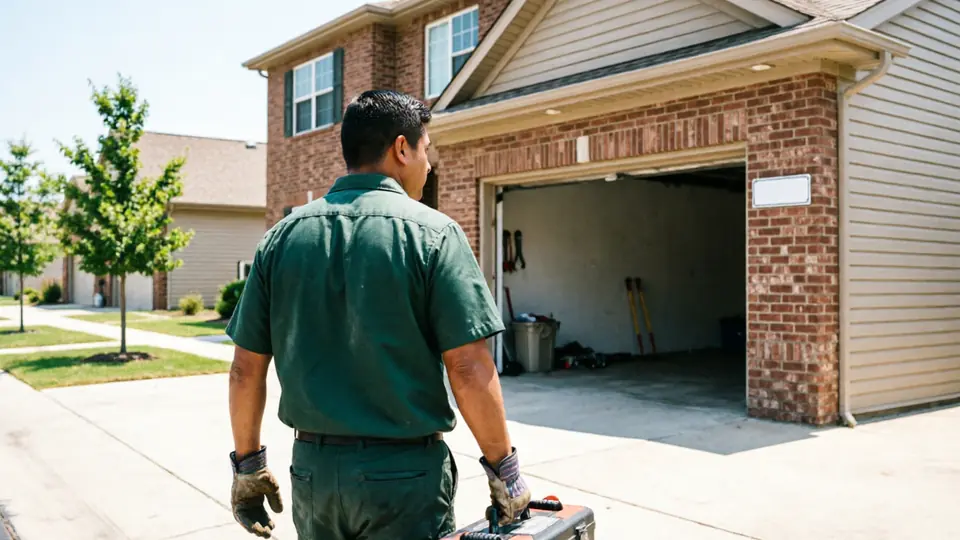 Opener RepairOpener repair for Spring, TX homes built 1971-2011, where heat-worn gears and aging logic boards fail in the same predictable ways. Same service, no guesswork.
 - 05
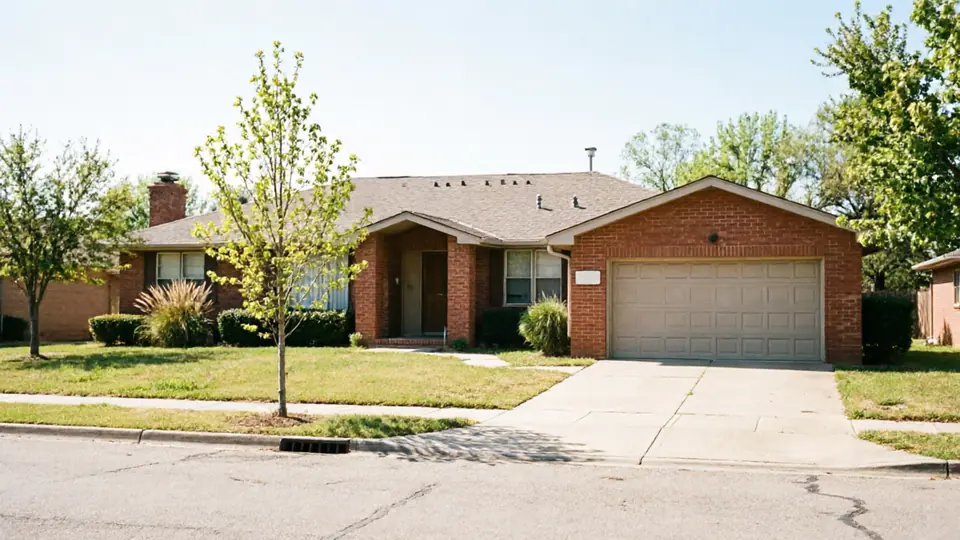 Opener InstallationGarage door opener installation for Spring, TX homes built 1971-2011. We match the opener to your door's age, track type, and the heat load on the motor housing.
 - 06
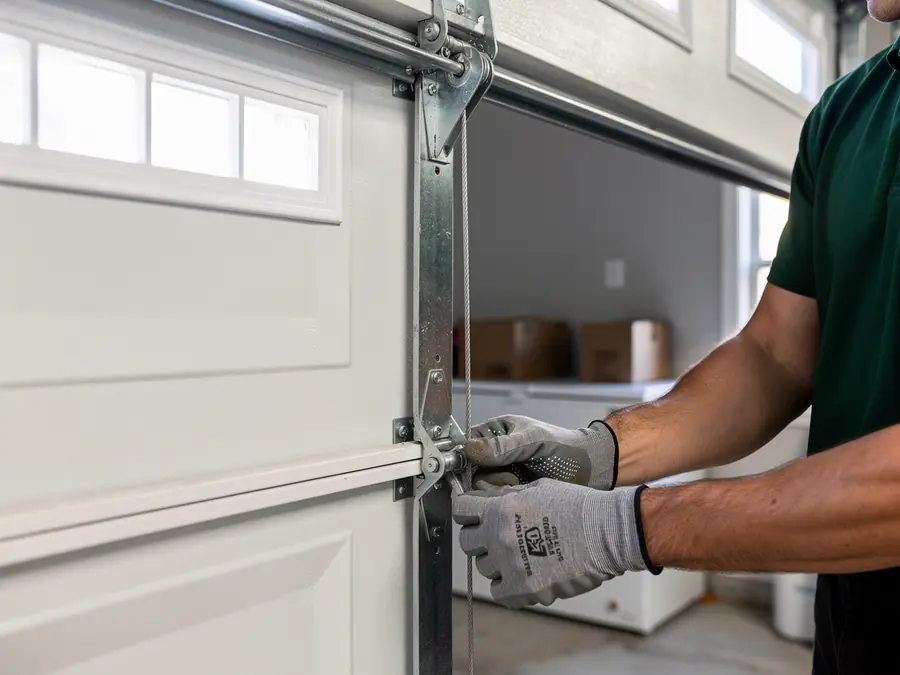 Cable RepairBroken or frayed garage door cables are common in Spring's 1970s-2000s housing stock, especially on heavier two-car doors. Same-day repair is available.
 - 07
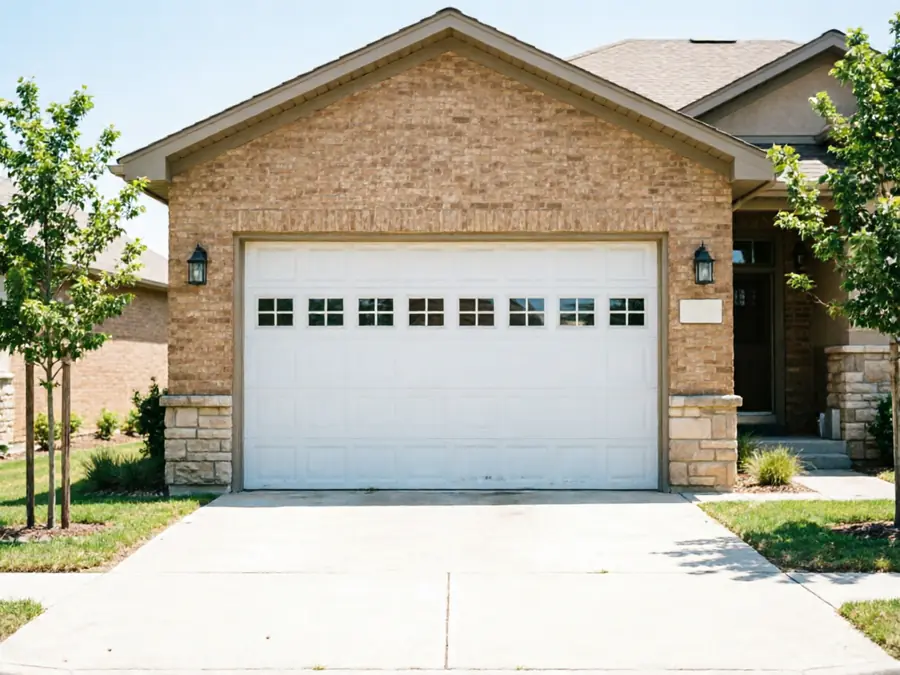 Panel ReplacementReplacing a dented, faded, or cracked garage door panel in Spring, TX? See why 1980s-90s builder-grade doors fail this way and how panel swaps work here.
 - 08
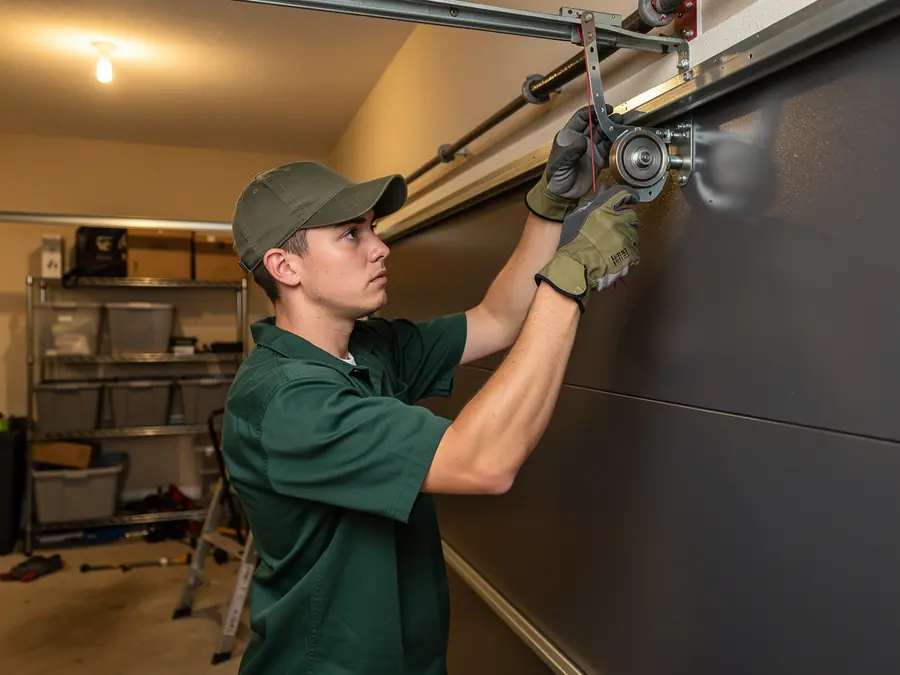 Roller ReplacementWorn or cracked rollers are common in Spring's 1980s-90s housing stock. Spring Garage Door Co replaces them fast, with parts that match your door's original hardware.
FAQ
Questions about this
Is my original garage door from the 1980s or 90s actually uninsulated?
Almost certainly, if it hasn't been replaced. Insulated doors with a foam core weren't standard builder-grade options until later, so a door original to a house from that era is typically a single-layer steel panel. It'll still function fine mechanically - insulation and structural soundness are separate issues.
Should I replace the door just for energy savings?
That depends on what the heat gain is costing you versus the price of a new insulated door. Sealing the bottom and side weatherstrip is a far cheaper first step and solves a good chunk of the draft and heat transfer. We'd rather look at the actual door before telling you to spend money on a full replacement.
Does the heat here actually damage the springs or tracks?
Not much. This area sits in a moderate heat band, so we don't see the spring fatigue or hardware corrosion that shows up in harsher climates. The heat mainly affects comfort through an uninsulated panel, not the mechanical parts that open and close the door.
Tell us what your door is doing.
We serve Spring, TX and nearby communities. Every job starts with a diagnosis, so you know what failed before any work begins.