
Blog
What Those Clunks and Squeals in Your Spring Garage Are Telling You
Spring, TX homes built 1971-2011 use torsion and extension spring hardware that wears differently in moderate Gulf Coast heat. Know which sounds mean trouble.
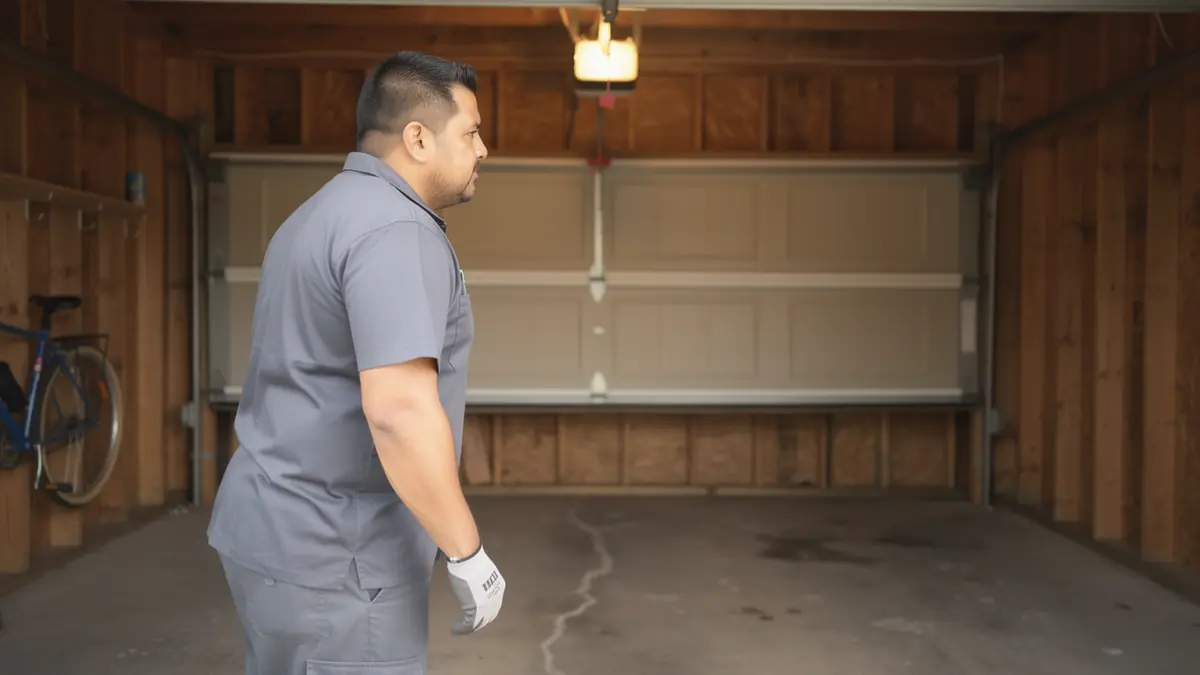
When Waiting Is Fine
Not every noise is a job. A soft click as the door settles after a hot afternoon is usually just the track and header bracket cooling and contracting back to size - normal in a moderate-heat climate like this one, where metal expands through the day and pulls back at night. A light hum from the opener motor on startup is also nothing, especially on units that have been running for years in homes built anywhere from 1971 to 2011.
A little rattle from rollers on an older track, if it's been there a while and hasn't gotten worse, can usually wait for a scheduled look rather than an emergency call. Most houses on this side of town are sitting on hardware from the 1980s and 90s, and that generation of rollers often develops a mild clatter years before it actually fails.
Here's the honest limit: we can't tell you over the phone whether a sound is cosmetic or the start of something mechanical. A track that's slightly out of alignment sounds a lot like one that's fine, right up until it isn't. If a noise is new, louder than last week, or paired with the door hesitating, that's the signal to stop guessing.
The Problem
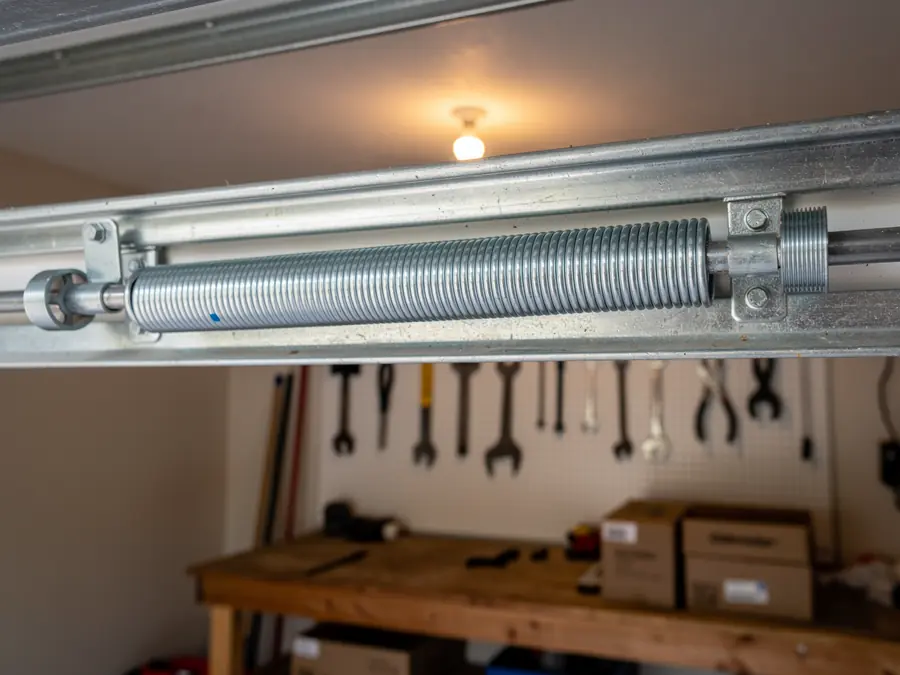
A lot of the doors we get called out to grind, pop, or bang because the hardware is original to a house built decades ago. With median construction here landing around 1989, a door that's never been touched is now three to four decades into spring cycles it was never going to run forever on. Torsion springs on these homes were wound for a specific door weight when the house was new; as the coil fatigues, the door starts relying on the opener to do work the spring used to carry, and that shows up as a grinding or straining sound right at the top of the lift.
Extension springs on older double-car doors from that same 1980s-90s stock tend to announce themselves differently - a loud bang or snap, often mid-cycle, as a coil gives out or a safety cable finally does its job. Worn bearings at the end of the shaft add a steady squeal that gets worse with every open-close cycle, not better.
The pattern across the twelve named areas we work in is consistent: older homes, original torsion or extension hardware, and noise that tracks almost exactly with how long that hardware has been running.
What the Weather Here Does to It
Spring sits in a moderate-heat climate band, and that matters more to a garage door than people expect. It's not the same strain a hard freeze-thaw cycle puts on a door up north, but repeated heat does its own damage. Grease and lubricant on rollers and hinges break down faster in sustained heat, which means a door that was quiet in spring can start squealing by midsummer simply because the lubricant thinned out and ran off the moving parts.
Metal track and header hardware also expand and contract through the day's heat swing. On a door that's slightly misaligned to begin with, that daily expansion is enough to turn a minor rub into an audible scrape, especially in the afternoon when the garage has had hours to heat up.
This is also why a noise that only shows up at certain times of day isn't random. If the grind happens only once the sun's been on the garage for a few hours, that's heat-driven expansion working against an alignment problem that was already there - not a new fault showing up out of nowhere.
What to Look At First
Start at the springs. Stand clear and look at the coil above the door - a torsion spring with a visible gap in the winding, or one side sagging lower than the other, is already partway to failing. Don't test this by hand; a spring under tension is not something to troubleshoot yourself.
Next, check the tracks on both sides for dents or spots where they've pulled away from the wall. In homes built across the 1971-2011 range we see here, brackets loosen over the decades, and a track that's even slightly out of parallel will produce a scrape every single cycle.
Listen to the rollers specifically - a dry squeal that fades after a few cycles is usually lubrication; a grinding sound that doesn't change is usually a roller bearing giving out.
One honest limitation: if a door is original to a house from the 1980s or earlier, there's a point where patching one more worn part isn't worth it against replacing the whole operating system. We'll tell you when you've hit that point instead of selling you a fourth repair on a door that's done.
Services
Garage door services in Spring
- 01
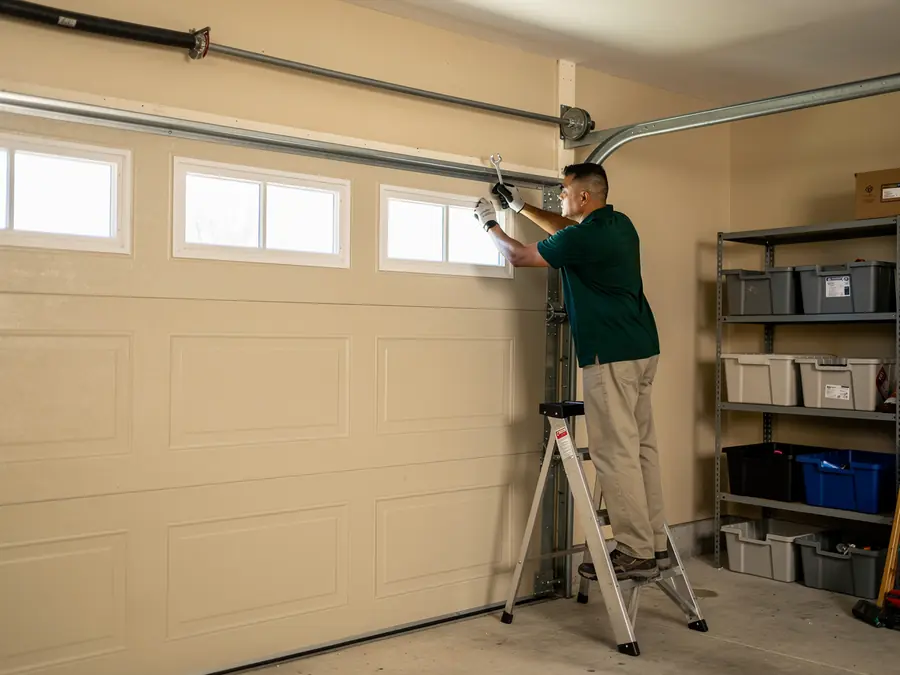 Garage Door RepairSpring Garage Door Co fixes broken springs, worn openers, and track trouble on the torsion-era doors common across Spring, TX homes built 1971-2011.
 - 02
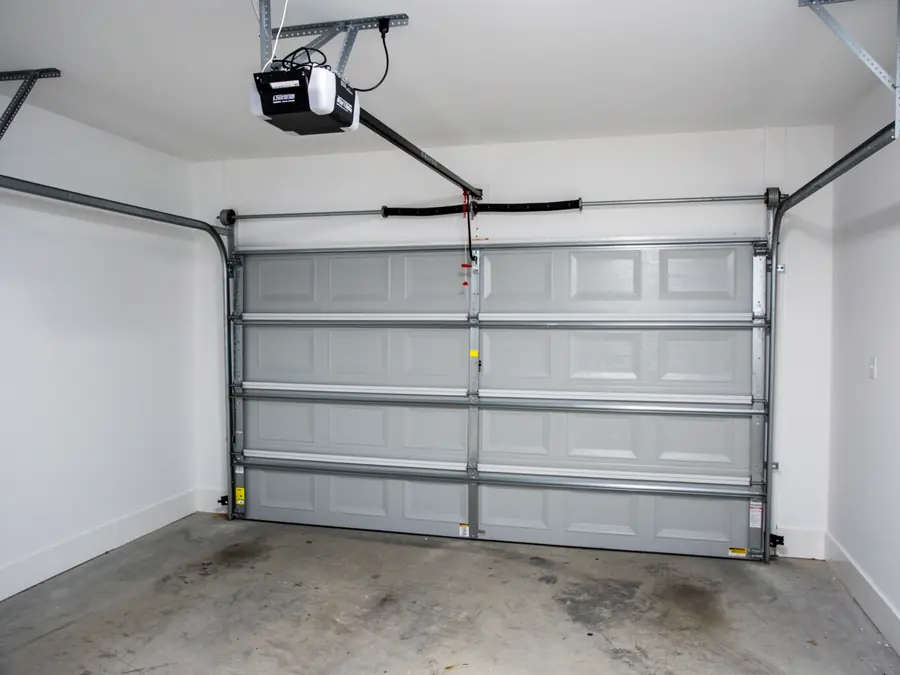 Garage Door InstallationSpring Garage Door Co installs new garage doors for Spring, TX homes built mostly between 1971 and 2011, matched to the area's heat and local door sizes.
 - 03
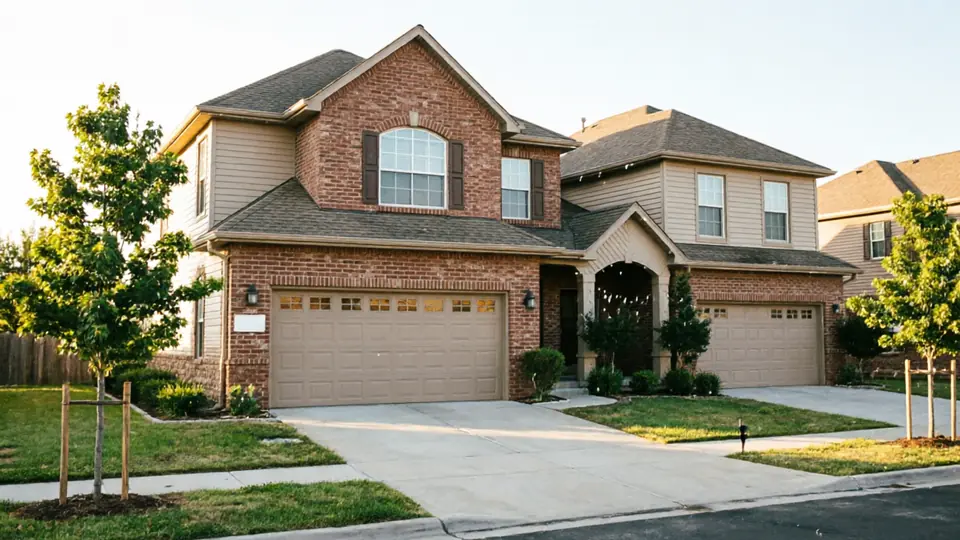 Garage Door ServiceSpring Garage Door Co services garage doors built during Spring's 1980s-90s boom, from Porter Heights to Oak Ridge North. Call for repair or tune-up today.
 - 04
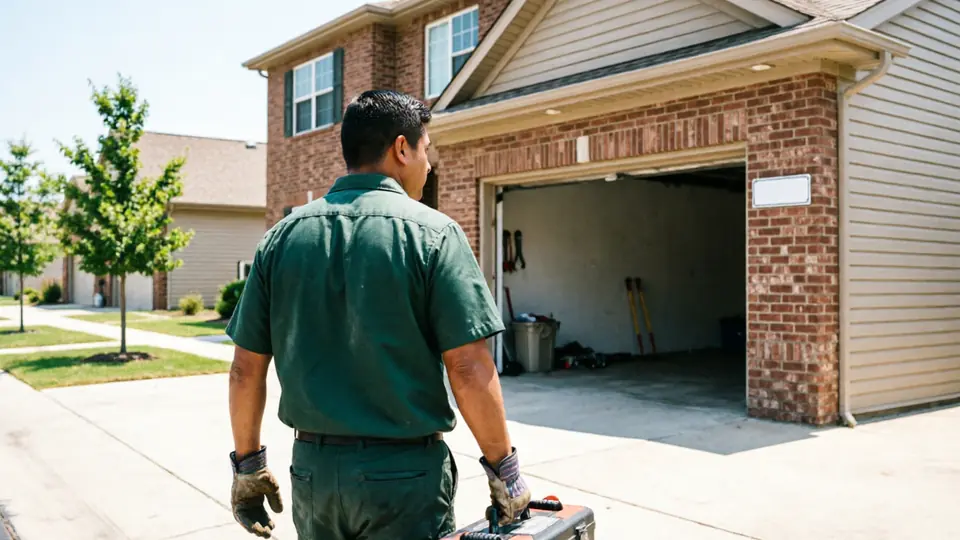 Opener RepairOpener repair for Spring, TX homes built 1971-2011, where heat-worn gears and aging logic boards fail in the same predictable ways. Same service, no guesswork.
 - 05
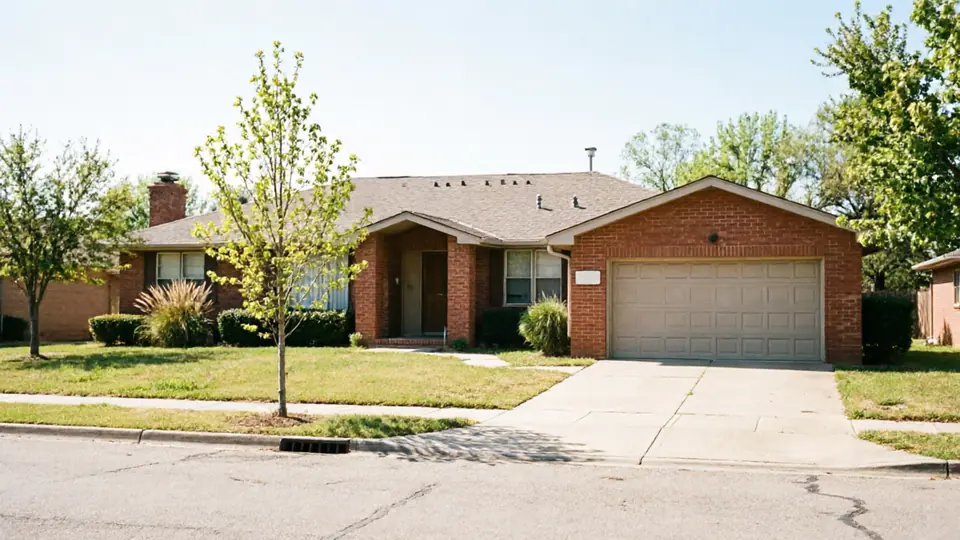 Opener InstallationGarage door opener installation for Spring, TX homes built 1971-2011. We match the opener to your door's age, track type, and the heat load on the motor housing.
 - 06
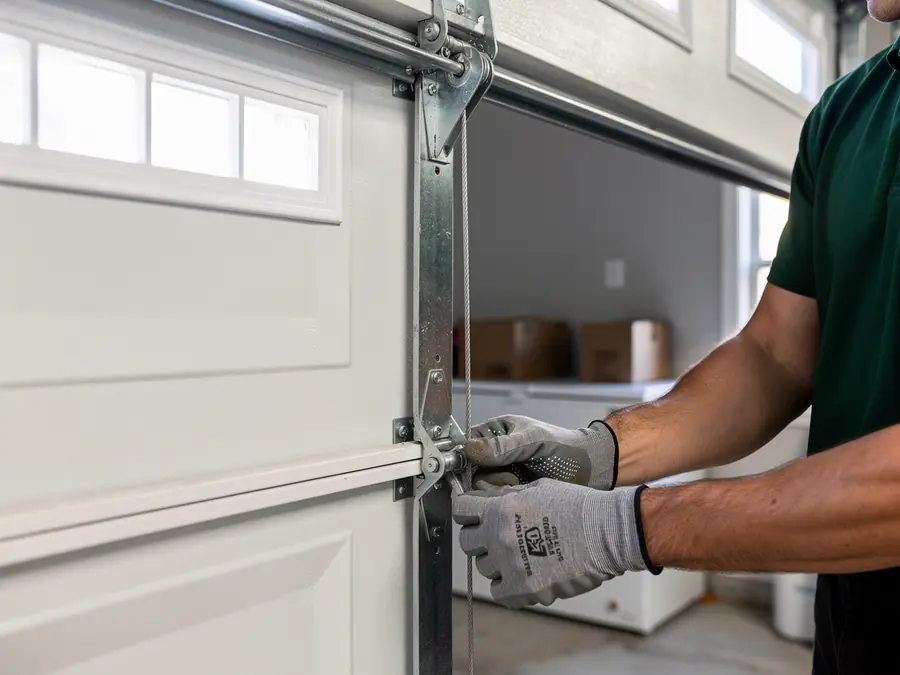 Cable RepairBroken or frayed garage door cables are common in Spring's 1970s-2000s housing stock, especially on heavier two-car doors. Same-day repair is available.
 - 07
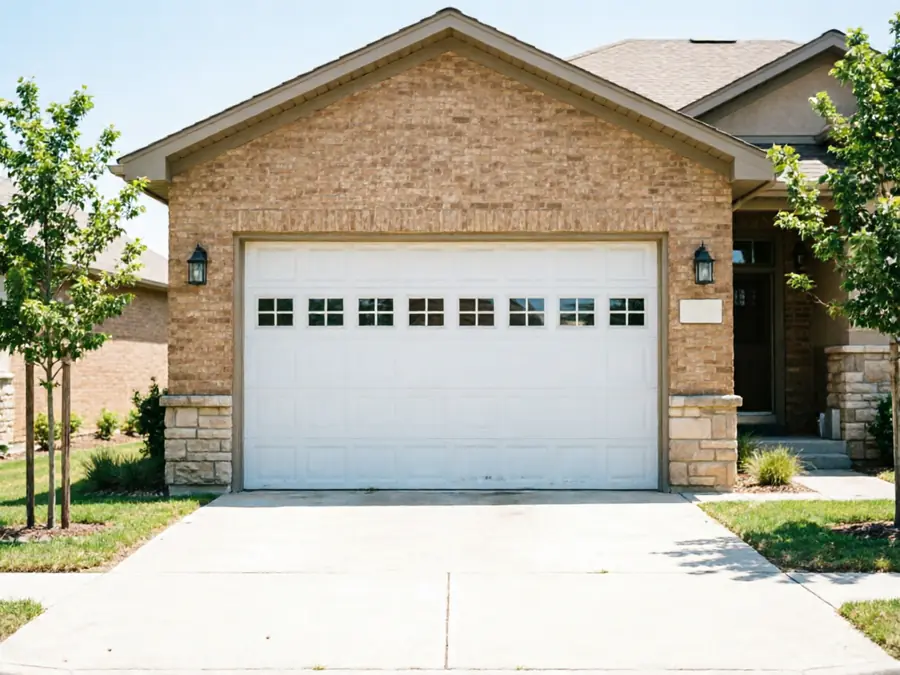 Panel ReplacementReplacing a dented, faded, or cracked garage door panel in Spring, TX? See why 1980s-90s builder-grade doors fail this way and how panel swaps work here.
 - 08
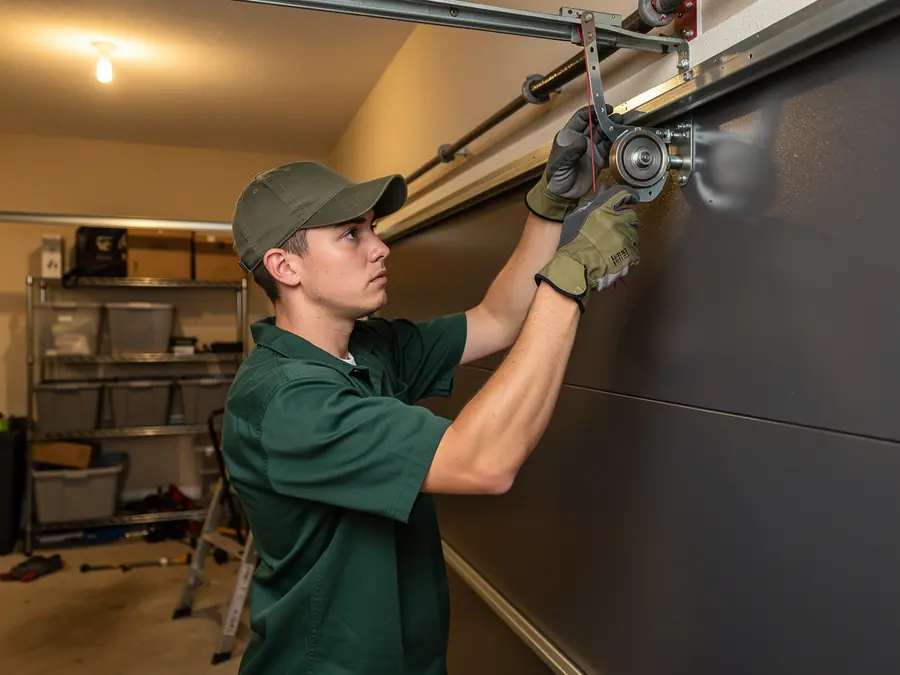 Roller ReplacementWorn or cracked rollers are common in Spring's 1980s-90s housing stock. Spring Garage Door Co replaces them fast, with parts that match your door's original hardware.
FAQ
Questions about this
My garage door makes a loud bang when it opens. Is that the spring?
Likely, yes. A sudden bang partway through the cycle is the classic sound of an extension or torsion spring losing tension or a coil giving out. On the 1980s-90s stock common around here, that's often original hardware finally reaching the end of its cycle life. Don't operate the door again until it's looked at - a failed spring can let the door drop.
Why does my door only squeal in the afternoon?
That's the moderate heat here at work. Metal track and hardware expand through the day, and lubricant on rollers thins out faster in sustained heat. A door that's slightly misaligned will scrape more once the garage has heated up for a few hours, even if it's quiet in the morning.
Is it worth fixing an old opener or should I replace the whole door?
Depends on the age and what's actually failing. If the door itself is original to a house from the 1970s or 80s and you're looking at a third or fourth repair, replacement usually makes more financial sense than another patch. We'll tell you honestly which side of that line your door is on.
Tell us what your door is doing.
We serve Spring, TX and nearby communities. Every job starts with a diagnosis, so you know what failed before any work begins.