
Service area · Roman Forest
Garage Door Help for Roman Forest, TX Homes
Spring Garage Door Co drives 16 miles from Spring to Roman Forest, TX, where most homes date to about 2001 and door hardware is just starting to wear out.
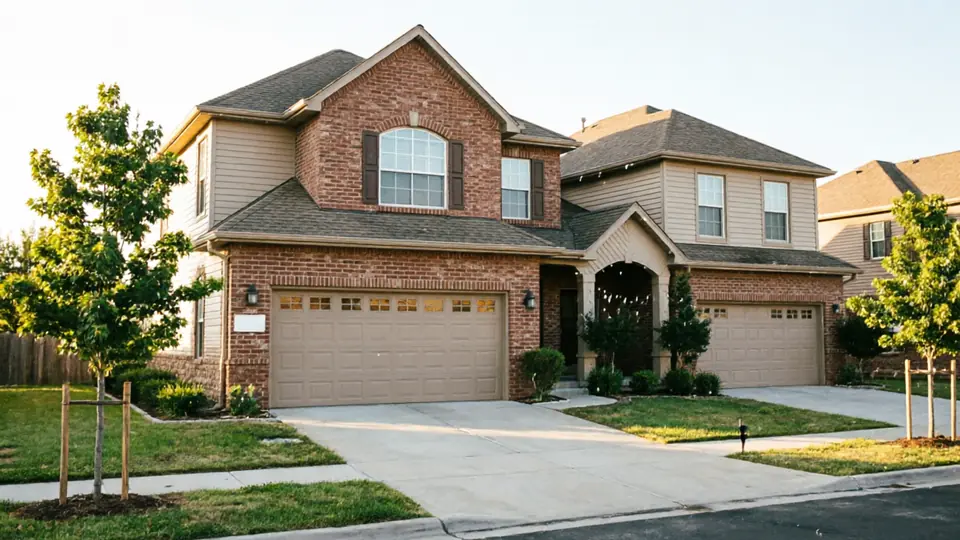
In Roman Forest
Garage door services in Roman Forest
What each job involves for Roman Forest homes specifically.
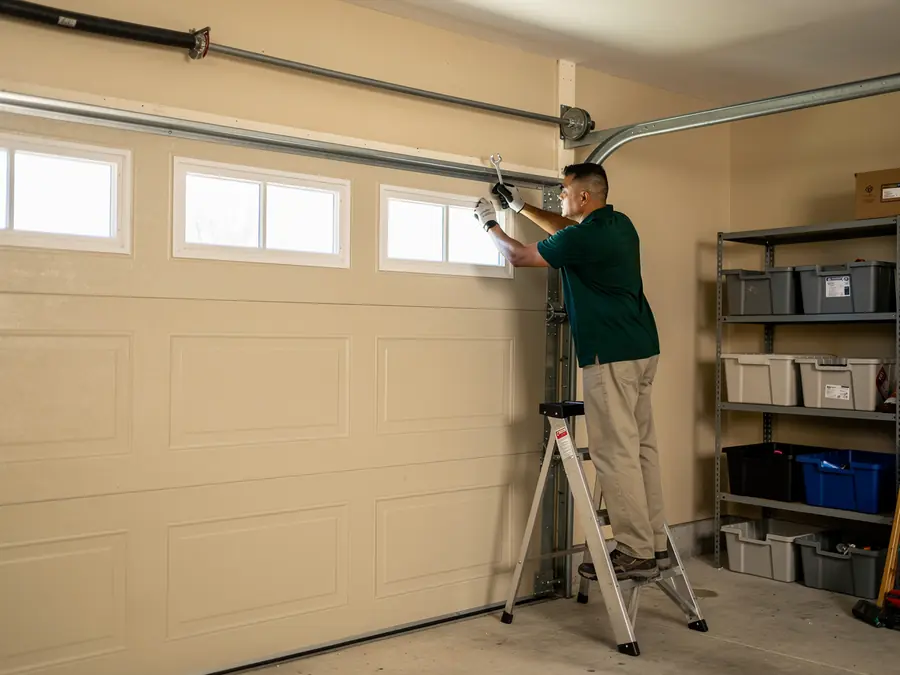 01Garage Door RepairRoman Forest runs about 1,017 households on newer stock built mostly after 2001. We drive 16 miles from Spring to fix springs, openers, and tracks on that newer hardware.Read more
 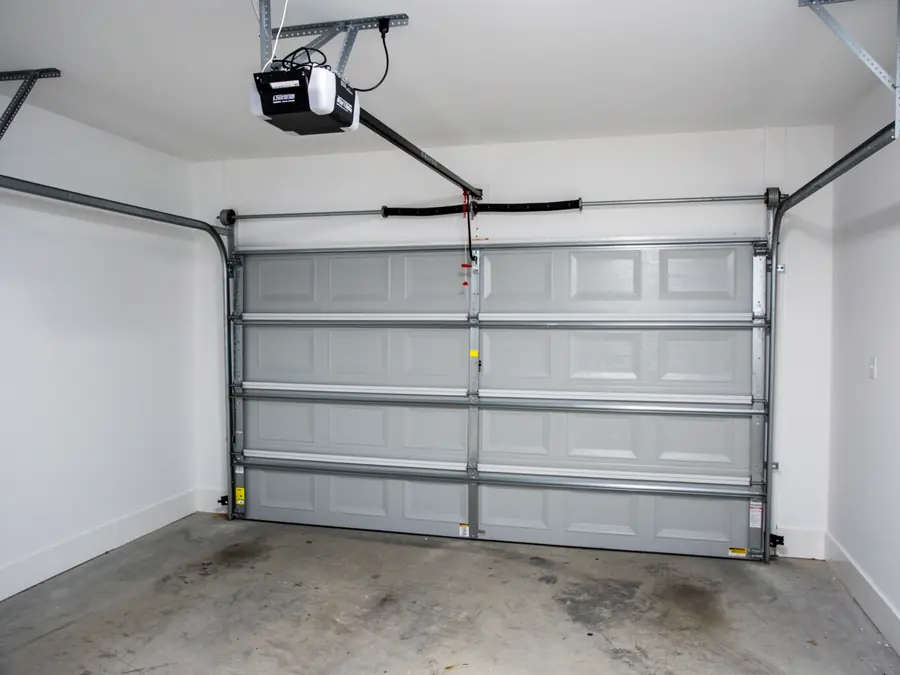 02Garage Door InstallationRoman Forest homes mostly date to the early 2000s, newer than Spring's 1989 median build year. That gap changes rough openings, opener mounts, and what a new door install actually involves.Read more
 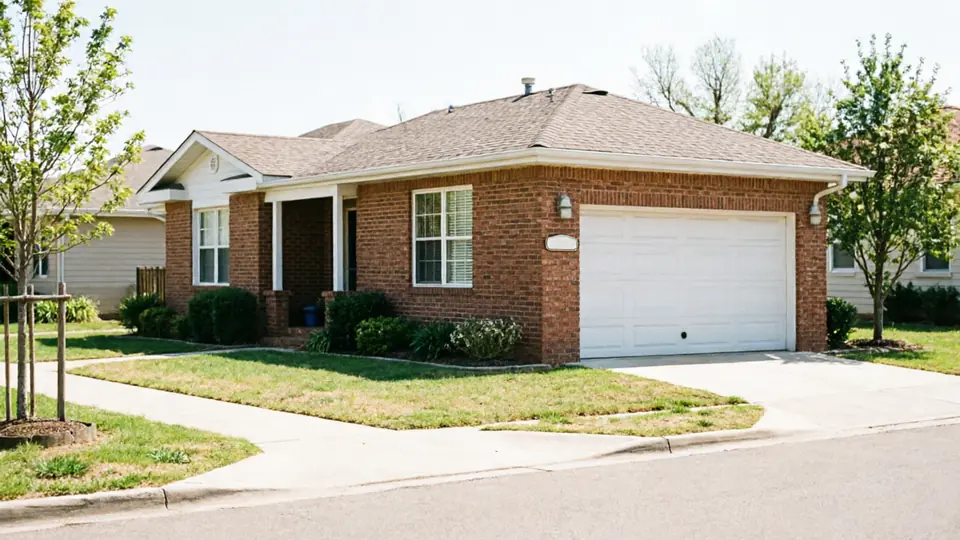 03Garage Door ServiceGarage door repair for Roman Forest, TX, where homes run newer than most of the service area and a $120,313 median income changes the repair-or-replace math. We drive out from Spring.Read more
 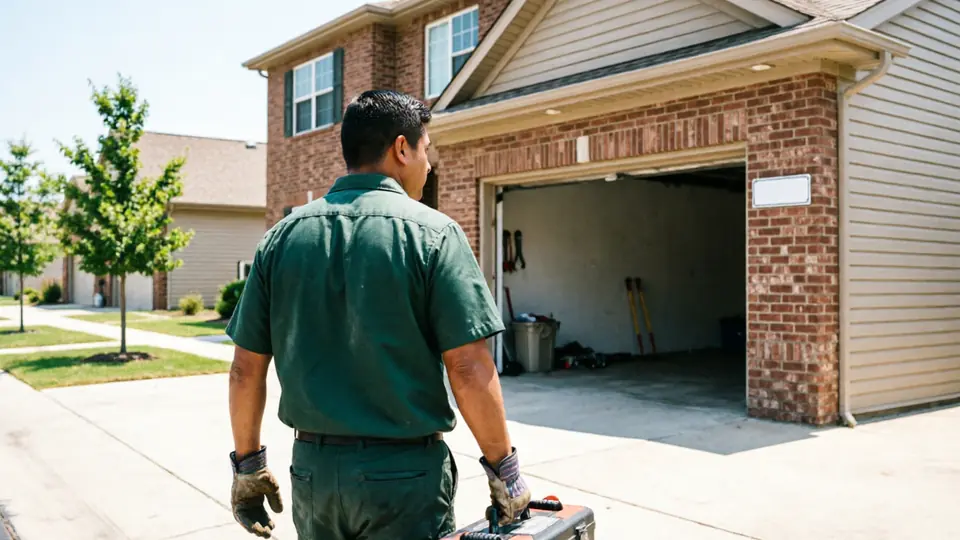 04Opener RepairOpener repair for Roman Forest homes built mostly after 2000 - steel sectional doors, early-2000s drive units, and the logic board faults that come with that age. Service from Spring, 16 miles out.Read more
 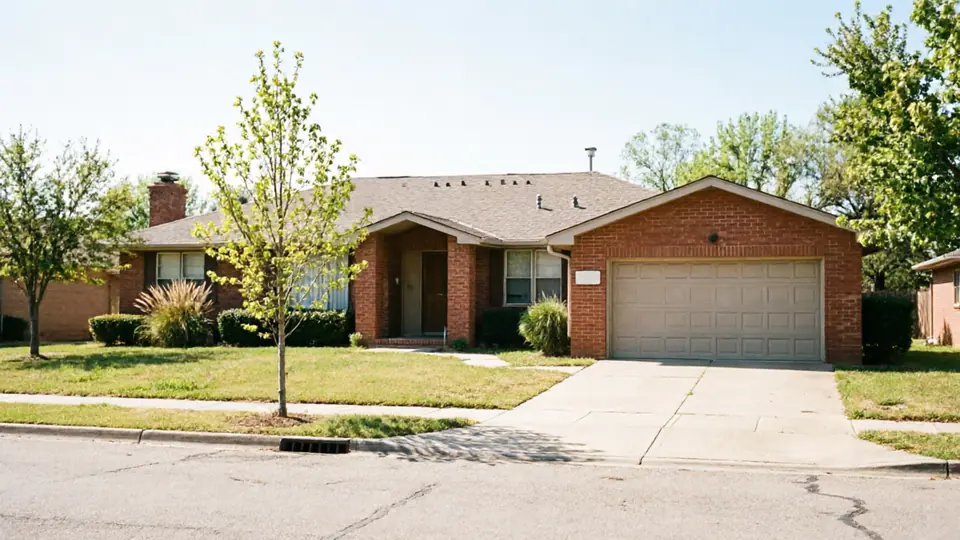 05Opener InstallationMost Roman Forest homes went up around 2001, so the opener is likely the builder-grade unit from that year. We replace aging openers with modern, code-compliant operators.Read more
 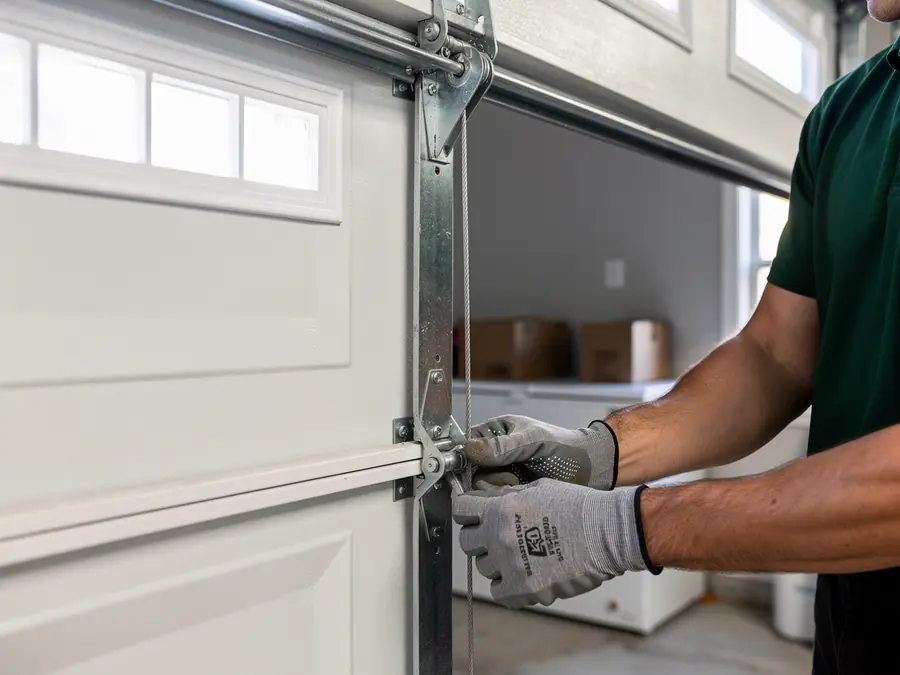 06Cable RepairRoman Forest homes mostly date to 2001, so original torsion cables are hitting their fatigue window. We drive out from Spring to replace frayed or snapped cables correctly.Read more
 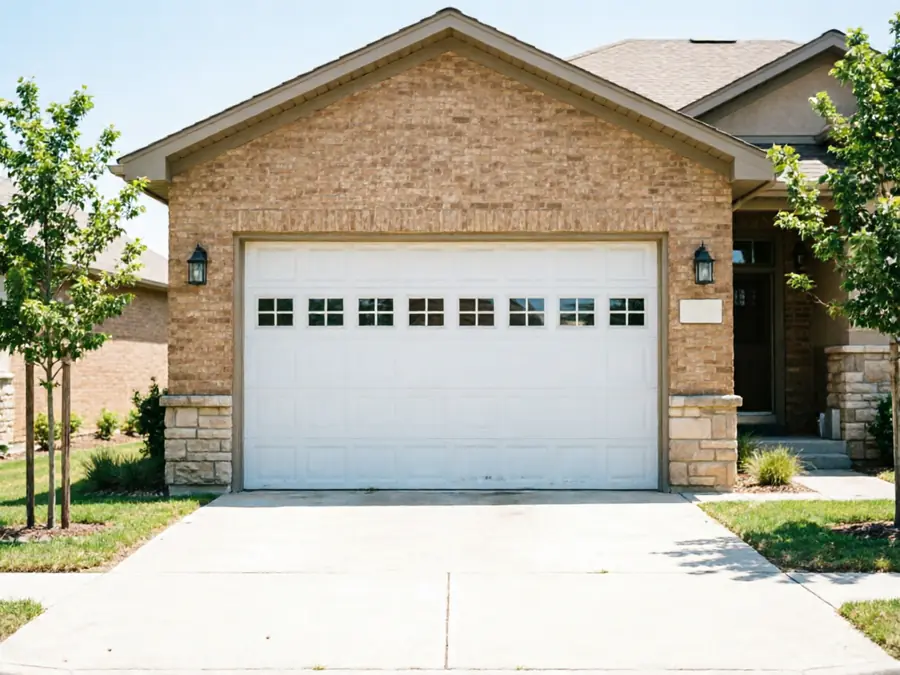 07Panel ReplacementRoman Forest's homes went up around 2001, later than most of the Spring service area, so the panels and finish on these doors differ from what we replace elsewhere.Read more
 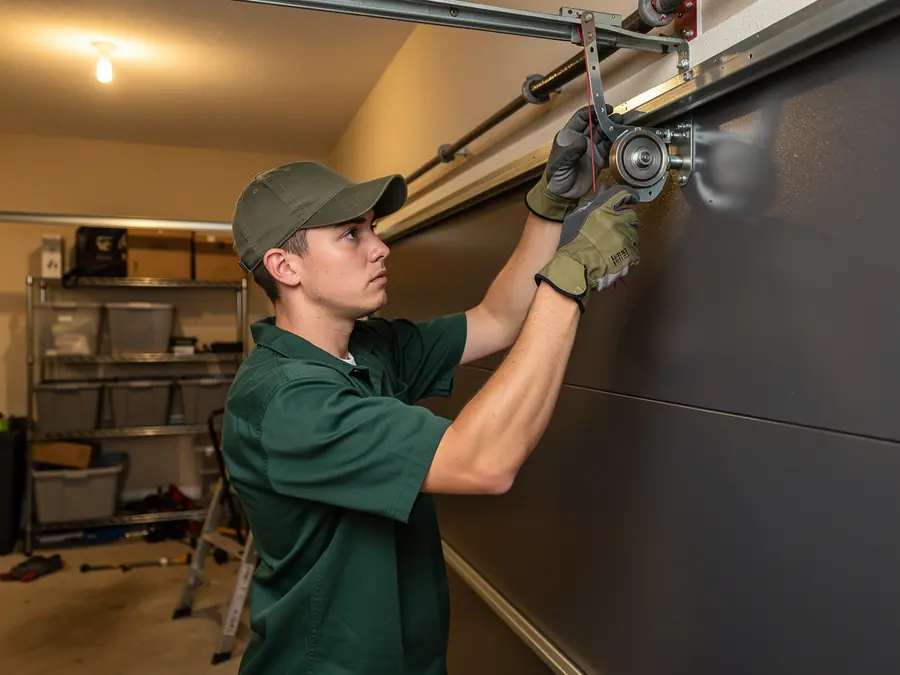 08Roller ReplacementRoman Forest homes date to the early 2000s, so the rollers wearing out now are original builder-grade nylon. We drive the 16 miles from Spring to replace them.Read more
What the Housing Means for Your Door
Most houses in Roman Forest went up around 2001, which puts this pocket a decade or two newer than much of the rest of the service area, where homes span 1971 to 2011 with a median closer to 1989. That gap changes what we see at the door. A house built in 2001 already came with the federal photo-eye auto-reverse standard built in from day one, so nobody out here is running a door with no safety sensors at all - that part's settled.\n\nWhat does show up, two decades later, is wear that happens on a predictable schedule. Torsion springs are rated for roughly 10,000 cycles, and a door opened twice a day for twenty-plus years is closing in on that number. Original nylon rollers that were quiet at year five are grinding by year twenty. Steel sections have taken two decades of Gulf Coast humidity on the same paint job. Compare that to older stock elsewhere in the broader area, where some owners are on their second or third opener - in Roman Forest, most households are still running their first, and it's starting to show its age.
Common Jobs Here
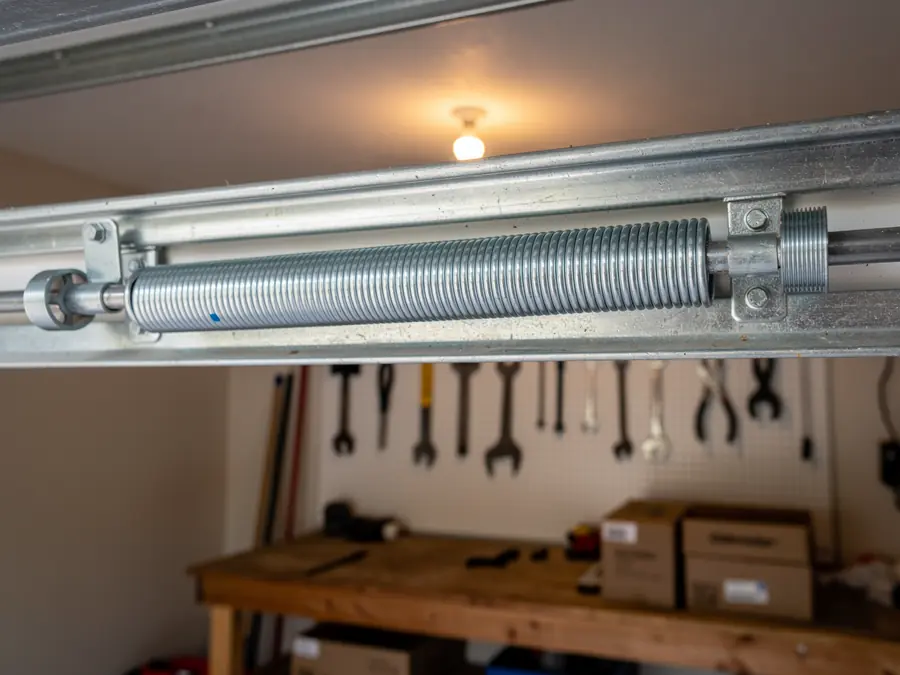
Given a neighborhood built mostly in one window, the service calls cluster too. The biggest one is torsion spring replacement - doors from the early 2000s are hitting their cycle limit right about now, and a spring that lets go on a double door does it without much warning. Second most common: opener logic boards. Circuit boards in openers from that era weren't built to last forever, and in this climate band - moderate heat, not the extremes you'd see further inland - the failure mode is usually a board that gets flaky before it dies outright, not one that cooks.\n\nWe also see a fair number of photo-eye alignment calls, where slab settling over twenty years has nudged the sensor brackets just enough that the door won't close reliably. Weatherstripping at the bottom panel is another one - original seals from 2001 are long past useful life in anyone's garage.\n\nThe honest limit here: if an opener's logic board has failed and the unit is the original from construction, we'll tell you straight when replacing the opener costs less over time than chasing parts for a board nobody stocks anymore.
This Area's Housing
Roman Forest is a smaller, tighter community than the service area as a whole - around 1,017 households here versus 14,714 across the full area we cover. Median household income runs noticeably higher too, $120,313 against an area-wide $82,810. That difference tends to show up at the garage door in a few ways: more insulated steel doors rather than bare single-layer panels, more two-car setups, and openers that were a step up from base-builder-grade when the subdivision went in.\n\nIt also means the housing here didn't arrive in the same scattered waves as some of the other twelve named areas we serve, many of which mixed 1980s and 90s construction with later infill. Roman Forest's stock is more consistent - built close together in time, which means the doors and openers are aging close together too. When one house's spring goes, the neighbor's often isn't far behind.
Old Streets and New Ones
Roman Forest sits about 16 miles from our shop in Spring - on the longer end of the drive compared to closer areas like Porter Heights or Oak Ridge North, both about 7 miles out, but well within the range we cover regularly alongside places like Patton Village and Woodbranch at similar distances.\n\nWhat's different about the streets themselves is that Roman Forest doesn't have the patchwork you find in older sections of the broader area, where a 1975 house might sit next to a 2008 infill build with a completely different door era and hardware standard. Roman Forest went in close to one build year, so the fixes are more uniform street to street - it's less about guessing what decade a given door is from and more about knowing that if one spring on the block has failed, the rest are on the same clock.
FAQ
Questions about this
Do you have a shop in Roman Forest?
No. We work out of Spring and drive out to Roman Forest, about 16 miles each way. We cover the area regularly but don't keep a second location here.
Why do so many doors in Roman Forest seem to fail around the same time?
Most of the neighborhood went up close to the same year, around 2001. Torsion springs and opener boards wear on a cycle count, not a calendar, so houses built in the same stretch tend to hit failure age within a year or two of each other.
Is it worth repairing an original 2001 opener or should I replace it?
Depends what's failed. A dead logic board on an opener that old often costs more to source and replace than putting in a new unit. A broken sensor or switch is usually a straightforward fix. We'll tell you which one you're looking at before doing any work.
Are Roman Forest garage doors different from ones in older parts of the area?
The housing stock across our wider service area spans 1971 to 2011. Roman Forest is newer, clustered around 2001, so you're less likely to run into pre-1993 doors with no auto-reverse safety sensors, which is still a real issue in some older sections.
Tell us what your door is doing.
We serve Spring, TX and nearby communities. Every job starts with a diagnosis, so you know what failed before any work begins.