
Blog
Is Your Spring Garage Door Worth Repairing, or Time to Replace It
Spring homes mostly date 1971-2011. Here's how to tell if your garage door's hardware era and the local climate make repair the smarter call than replacement.
When Waiting Is Fine
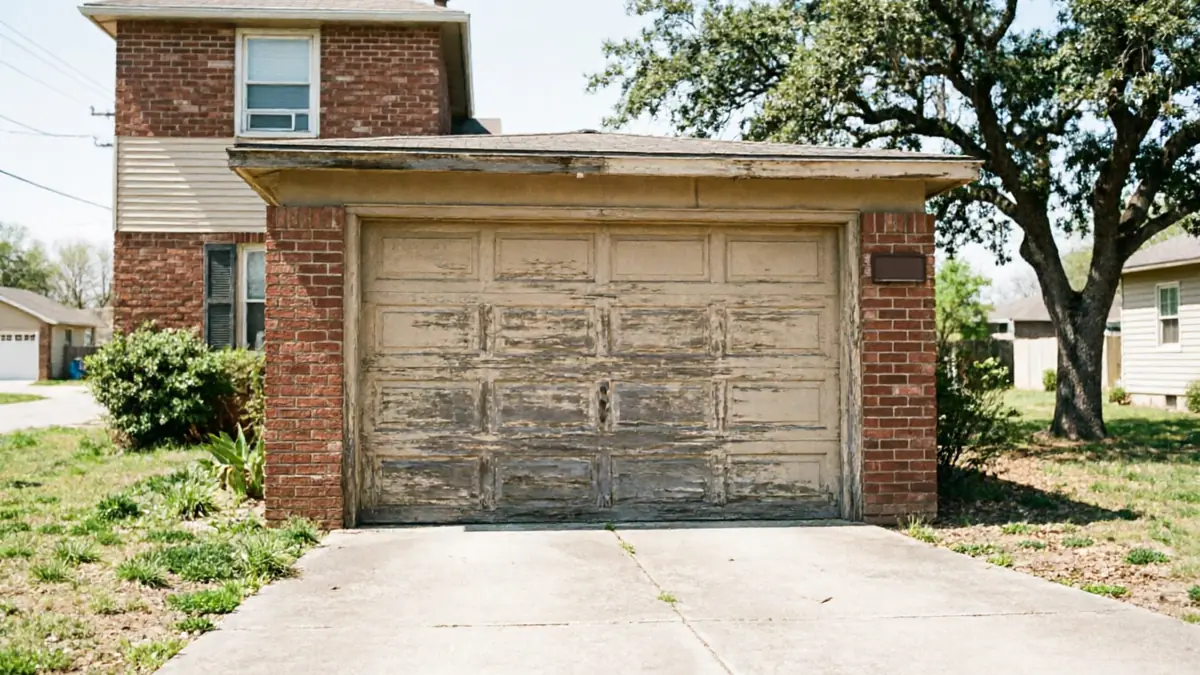
Not every noise or stiff spot means you need a truck out this week. If your door still opens and closes on its own power, the opener isn't straining, and the only complaint is a squeak or a slightly crooked roll, you can usually wait. Most houses in Spring went up between 1971 and 2011, with the bulk of the stock dating to around 1989, so a huge share of doors in this area are somewhere in their third or fourth decade of hardware. That doesn't mean they're failing - torsion springs and rollers from that era were built to hold up, and a door that's been maintained even loosely often has years left in it. Wait on cosmetic issues: faded paint, a dented bottom panel that still seals, minor rust on hinges that hasn't spread to the track. Wait on noise alone if the door moves smoothly. What you shouldn't wait on is anything involving the cable, the spring itself visibly gapped or stretched, or the opener straining and reversing. Those are the signs that the next use could be the one that leaves the door stuck half-open, which is a worse day than scheduling a repair call now.
The Problem
The issue with older doors in Spring isn't usually the door panel - steel and wood both hold up fine in this climate. It's the hardware underneath that was matched to a specific era of garage door design. A lot of the 1980s and 90s builds across Spring's named subdivisions used torsion spring setups and track hardware that manufacturers have since changed dimensions on. When a spring from a 1989-era install finally fails, the replacement spring often needs to be matched by hand rather than pulled off a shelf, because the original isn't a current stock size anymore. Same story with some older extension-spring setups still running on houses from that build window - newer code and newer installs favor torsion systems, so that older style gets less inventory support every year that passes. This is the limitation worth being honest about: if your opener or hardware is old enough that a part isn't a stock item, the repair itself is still usually doable, but it may take longer to source than a same-day fix on a newer system. That's not a reason to replace a door that's otherwise sound - it's a reason to call before the part you need becomes the part you need urgently.
What the Weather Here Does to It
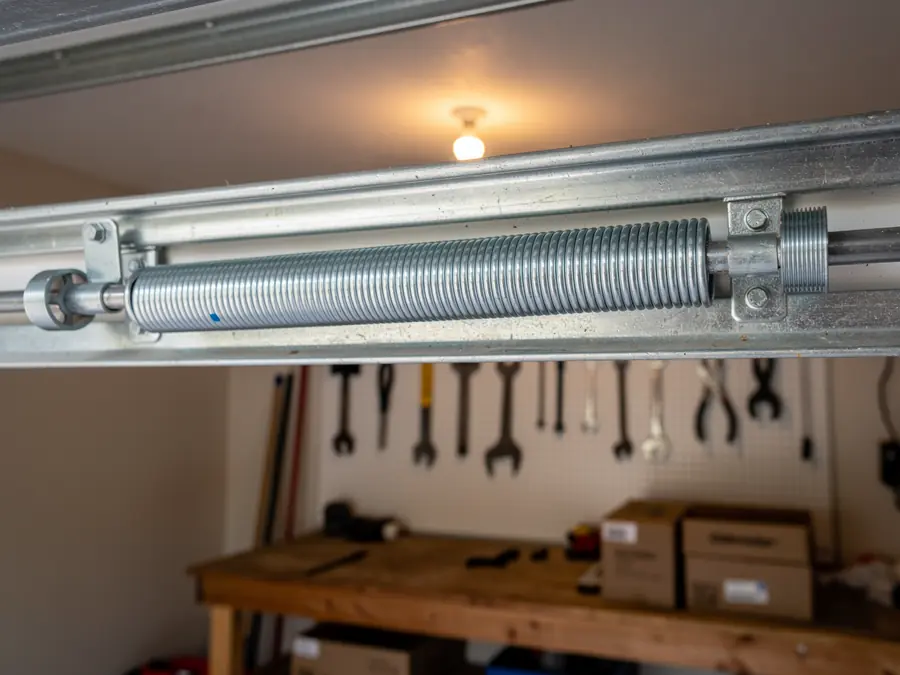
Spring sits in a moderate-heat climate band, not the freeze-thaw country that cracks concrete slabs or shrinks wood panels through a hard winter. That actually works in favor of an older door here - you're not fighting the kind of seasonal expansion and contraction that loosens hardware or warps panel seams the way it does farther north. What heat does do, over the 20 to 40 years a lot of these doors have been in place, is slowly dry out and stiffen the lubrication on rollers, hinges, and the torsion spring's coil, and it can bake the weatherstripping at the bottom panel until it cracks and stops sealing. Neither of those is a reason to replace a door. A fresh lubrication and a new seal strip solves most of what moderate heat does to a door over time, and it's a fraction of the job that spring replacement is. The honest takeaway: if your only symptoms are dried-out seals and a slow roll, this climate hasn't given you a structural problem - it's given you a maintenance one.
What to Look At First
Start at the springs. If you can see daylight through a gap in the coil, or the door feels heavier than it used to when lifted by hand with the opener disengaged, that's the first thing to deal with, regardless of the door's age. Next, check the bottom corners of the panel for rust-through or soft wood - common on doors original to houses built in that 1971-2011 window if gutters have ever drained near the slab. Then look at the track alignment: a door that's been in a Spring home for twenty-plus years has usually had the garage bumped by a car or a bike at least once, and a slightly bent track puts uneven strain on rollers that otherwise would have outlasted the house. If the springs, panel, and track all check out and the only issue is cosmetic or a stiff roll, that door is worth keeping and worth the service call. With a median household income of $82,810 across the area, replacement is affordable here when it's actually warranted - but a sound door with maintainable hardware isn't a replacement job, it's a repair job, and we'll tell you which one you've got.
Services
Garage door services in Spring
- 01
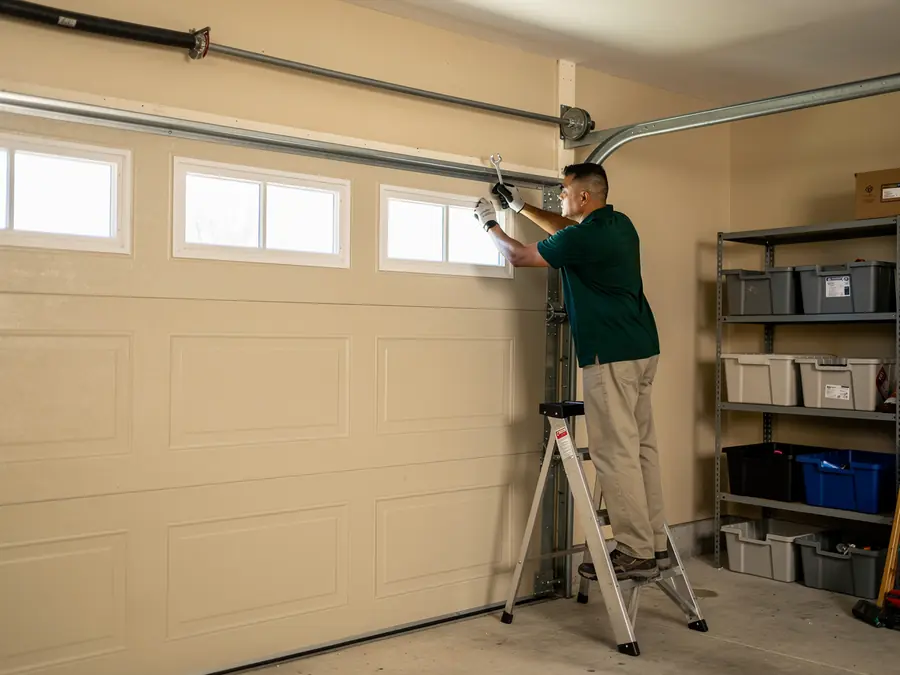 Garage Door RepairSpring Garage Door Co fixes broken springs, worn openers, and track trouble on the torsion-era doors common across Spring, TX homes built 1971-2011.
 - 02
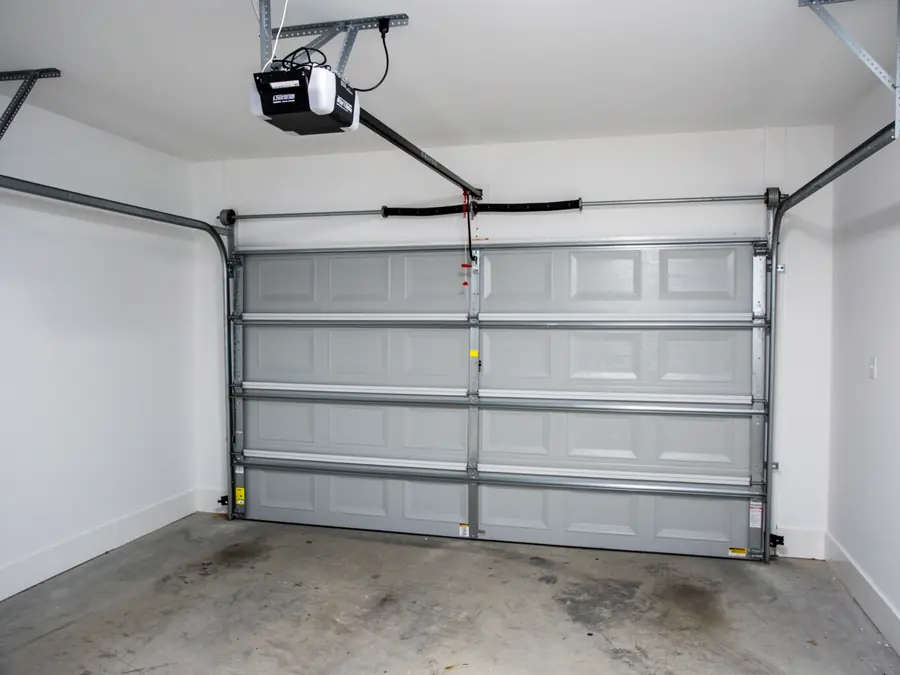 Garage Door InstallationSpring Garage Door Co installs new garage doors for Spring, TX homes built mostly between 1971 and 2011, matched to the area's heat and local door sizes.
 - 03
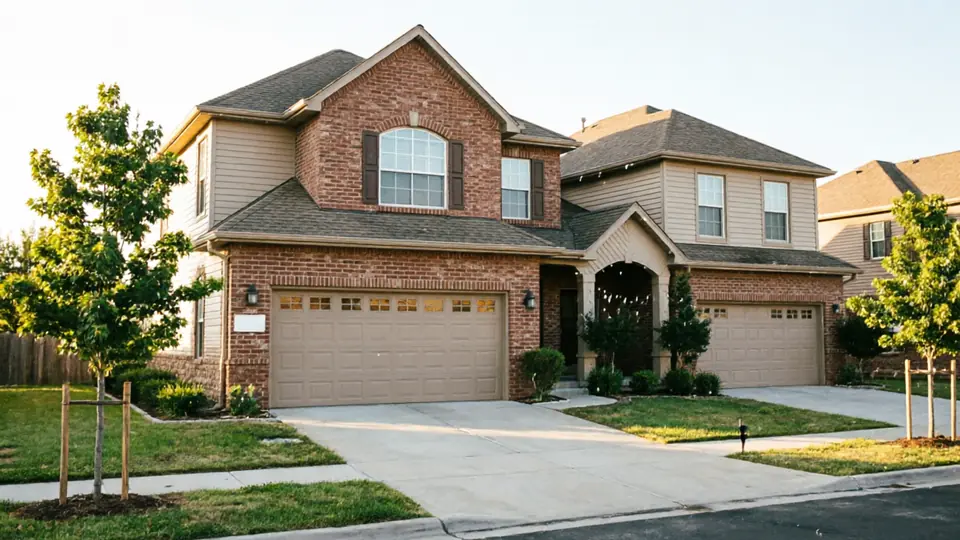 Garage Door ServiceSpring Garage Door Co services garage doors built during Spring's 1980s-90s boom, from Porter Heights to Oak Ridge North. Call for repair or tune-up today.
 - 04
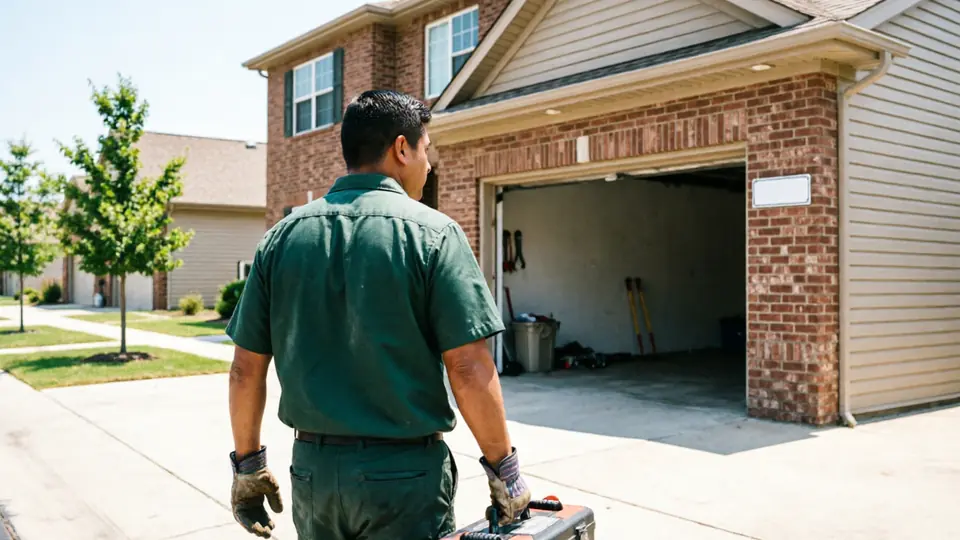 Opener RepairOpener repair for Spring, TX homes built 1971-2011, where heat-worn gears and aging logic boards fail in the same predictable ways. Same service, no guesswork.
 - 05
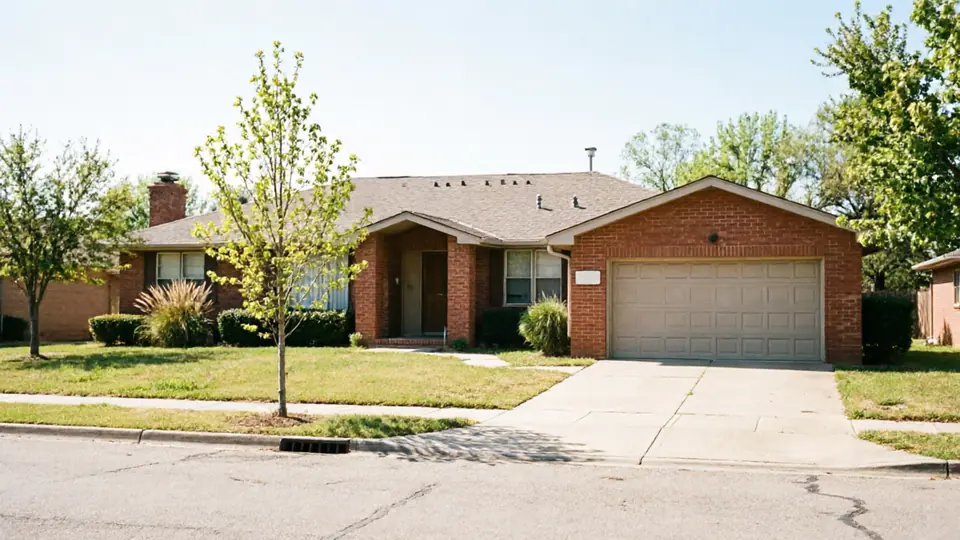 Opener InstallationGarage door opener installation for Spring, TX homes built 1971-2011. We match the opener to your door's age, track type, and the heat load on the motor housing.
 - 06
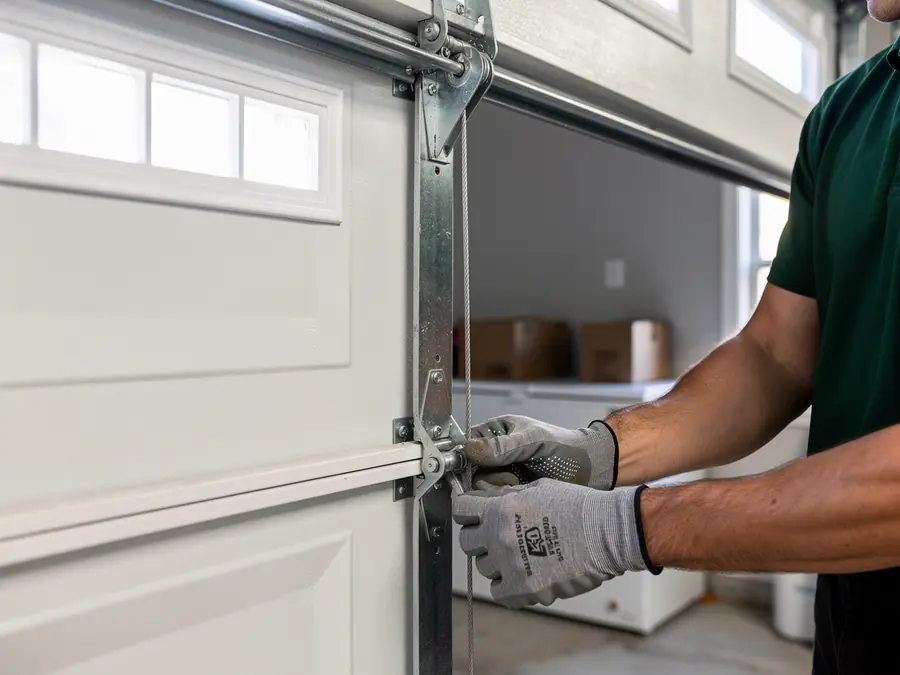 Cable RepairBroken or frayed garage door cables are common in Spring's 1970s-2000s housing stock, especially on heavier two-car doors. Same-day repair is available.
 - 07
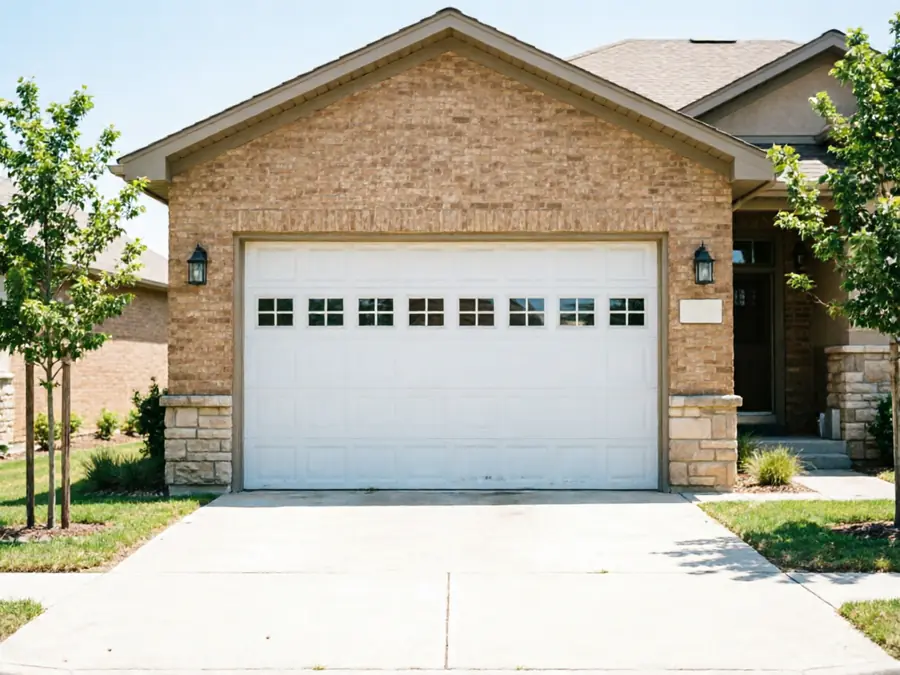 Panel ReplacementReplacing a dented, faded, or cracked garage door panel in Spring, TX? See why 1980s-90s builder-grade doors fail this way and how panel swaps work here.
 - 08
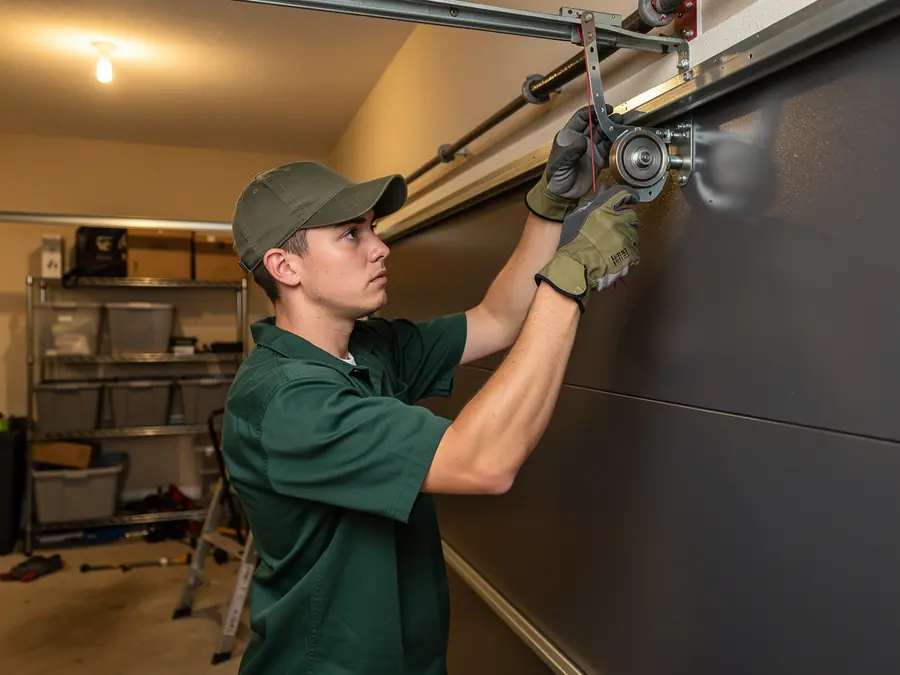 Roller ReplacementWorn or cracked rollers are common in Spring's 1980s-90s housing stock. Spring Garage Door Co replaces them fast, with parts that match your door's original hardware.
FAQ
Questions about this
My garage door is original to a house built in the 90s. Is it too old to repair?
Not on its own. A lot of Spring houses date to right around 1989, and doors from that era are often still solid. Age alone isn't the deciding factor - condition of the spring, track, and panel is. Plenty of doors from that build window are still a repair, not a replacement.
Why did my repair take longer than I expected to get parts for?
Some hardware from older installs, especially certain torsion and extension spring setups common in 80s and 90s Spring builds, isn't a current stock size. We can usually still source or match it, but it can take longer than a repair on a newer system. We'll tell you up front if that's the situation.
Does Spring's climate wear garage doors out faster?
Not structurally. Spring sits in a moderate-heat band, so you're not dealing with freeze-thaw cracking or major seasonal warping. Heat mainly dries out lubrication and weatherstripping over the years, which is a maintenance fix, not a sign the door itself is failing.
How do I know if it's worth fixing versus replacing?
Check the spring for visible gaps or stretching, the bottom panel for rust-through or soft wood, and the track for bends from years of use. If those three check out, repair almost always makes more sense than replacing a door that's otherwise sound.
Tell us what your door is doing.
We serve Spring, TX and nearby communities. Every job starts with a diagnosis, so you know what failed before any work begins.