
Blog
Openers, Power Cuts, and What Spring Homeowners Should Actually Worry About
Spring homes built mostly between 1971 and 2011 face specific opener risks during power cuts. Here's what actually matters and what can wait.
When Waiting Is Fine
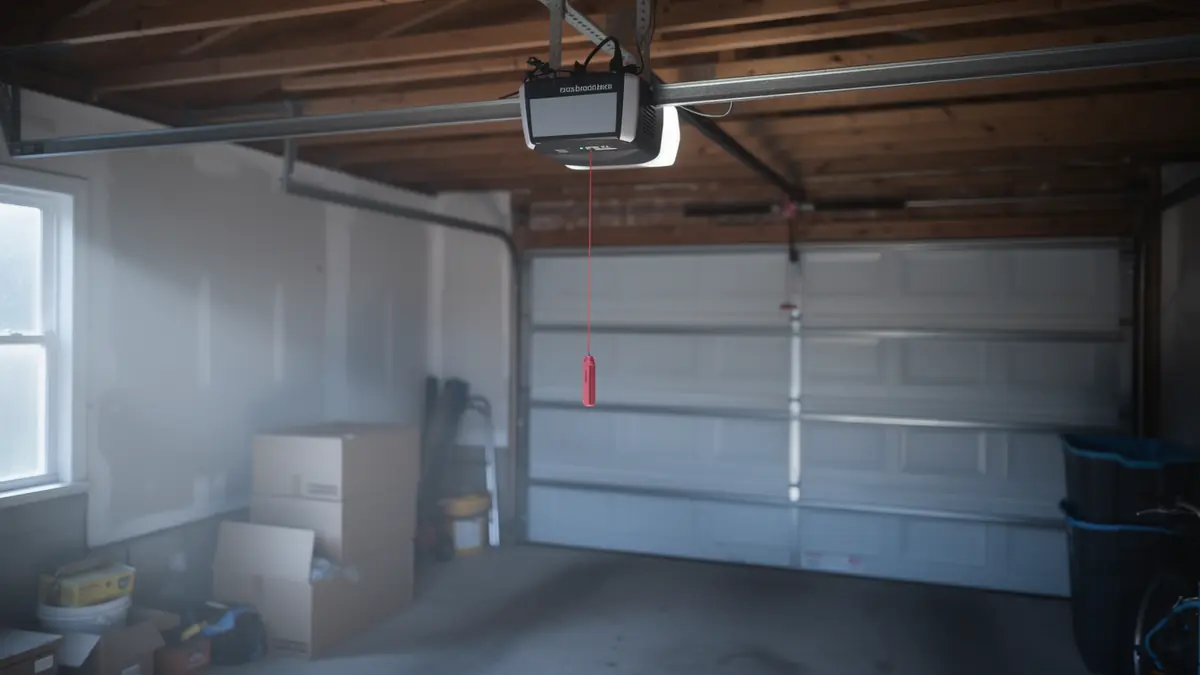
If the power goes out and your door just sits there, that's not a call-tonight problem. Most openers built for the kind of housing stock common here - homes going up steadily from 1971 through 2011, with a thick band from the 1980s and 90s - were never wired to do anything fancy when the circuit drops. No power, no opener. The door itself didn't break. Nothing is wrong with your springs or your track. You pull the manual release cord, lift the door by hand, and go about your night. If the power comes back in an hour, you reset the opener same as you would after any outage - no code reprogram needed on most units, though real old ones sometimes lose their memory and need the remote re-paired. That's an annoyance, not an emergency. Don't pay an after-hours rate for a door that works fine manually. Call during business hours if the opener still won't respond once power is restored and the obvious things - breaker, outlet, pulled plug - check out. Waiting costs you nothing here except the inconvenience of using your arms for a night.
The Problem
The real issue isn't the outage itself - it's what's attached to the opener when the lights go out. A lot of houses in this area, especially ones built in that 1980s-90s stretch that makes up the bulk of the stock, have openers that were swapped out once already but never got a battery backup added. So when power drops, the door stops wherever it was, and if that's halfway down with a car underneath, you've got a bigger problem than a stuck door. We also see people assume the manual release will work smoothly even though it hasn't been pulled in years - cords get brittle, and the release mechanism on an opener that's two or three owners deep in a 1980s house can bind up the first time anyone touches it since install. The fix isn't complicated, but it's not something you want to discover for the first time during an actual outage with your car stuck in the bay.
What the Weather Here Does to It
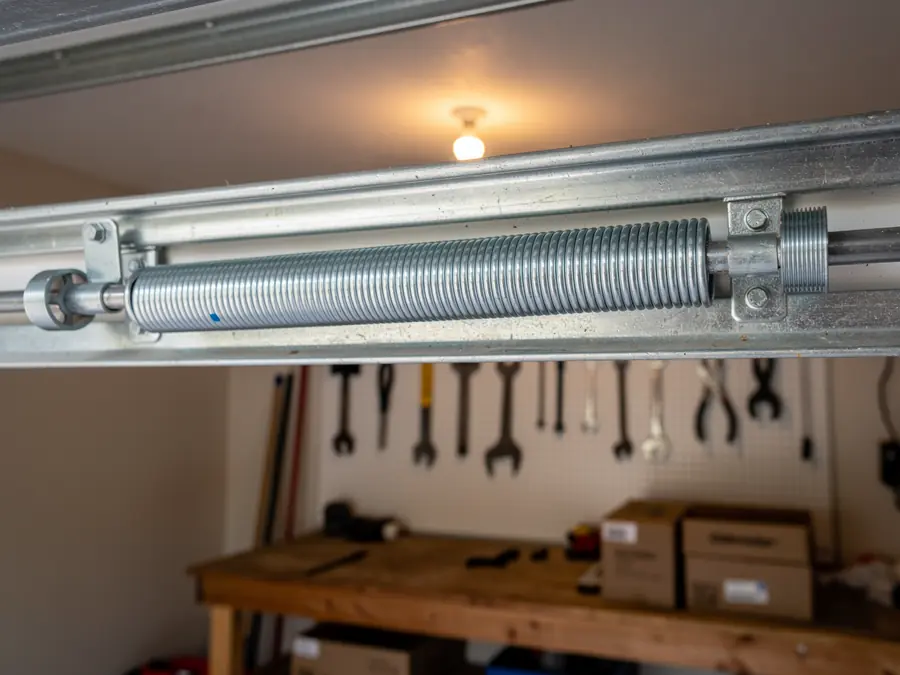
This area sits in a moderate heat band, not the kind of extreme sustained triple-digit stretch that cooks circuit boards in places further west or south. That's good news for opener electronics generally - you're not replacing logic boards every few years from heat fatigue the way homeowners in hotter zones sometimes do. The power cuts that matter here tend to come from storms, not heat load on the grid. So the opener problem isn't really a weather-damage problem, it's a preparedness problem: the door needs to work by hand when the power trips, regardless of why it tripped. Moderate heat also means your opener's thermal overload protection - the thing that shuts a motor down if it's straining - trips less often here than it would somewhere hotter, which is one less thing to troubleshoot when you're trying to figure out why a door won't move.
What to Look At First
Start with the manual release cord - the red handle hanging from the trolley. Pull it once now, not during an outage, and make sure the door drops into manual mode smoothly and the door itself still moves by hand without binding. If it's stiff or the cord feels frozen in place, that's worth a look regardless of power status. Second, find out if your opener has a battery backup unit - a lot of homes here, particularly ones with openers installed back when the house went up in that 1971-2011 window, don't have one. It's a reasonable add if losing power with the car trapped inside is a real inconvenience for your household. Third, keep a remote or the wall button's battery backup charged, since power cuts often come with other stuff going sideways and you don't want three problems at once. One thing we won't do is recommend replacing a perfectly good opener just because it lacks battery backup - that's a $150-ish add-on job, not a reason to junk a working unit.
Services
Garage door services in Spring
- 01
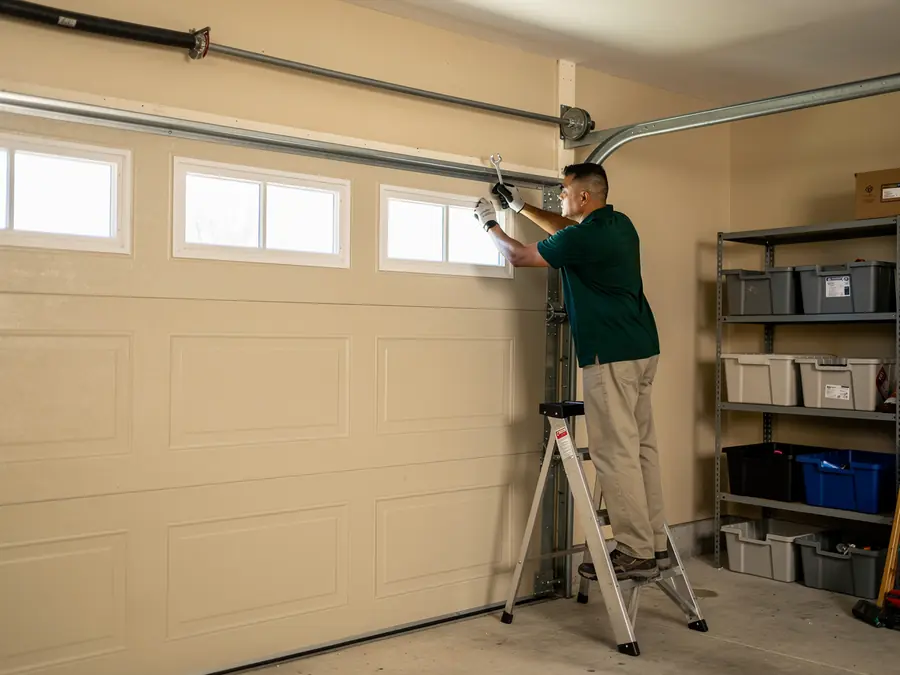 Garage Door RepairSpring Garage Door Co fixes broken springs, worn openers, and track trouble on the torsion-era doors common across Spring, TX homes built 1971-2011.
 - 02
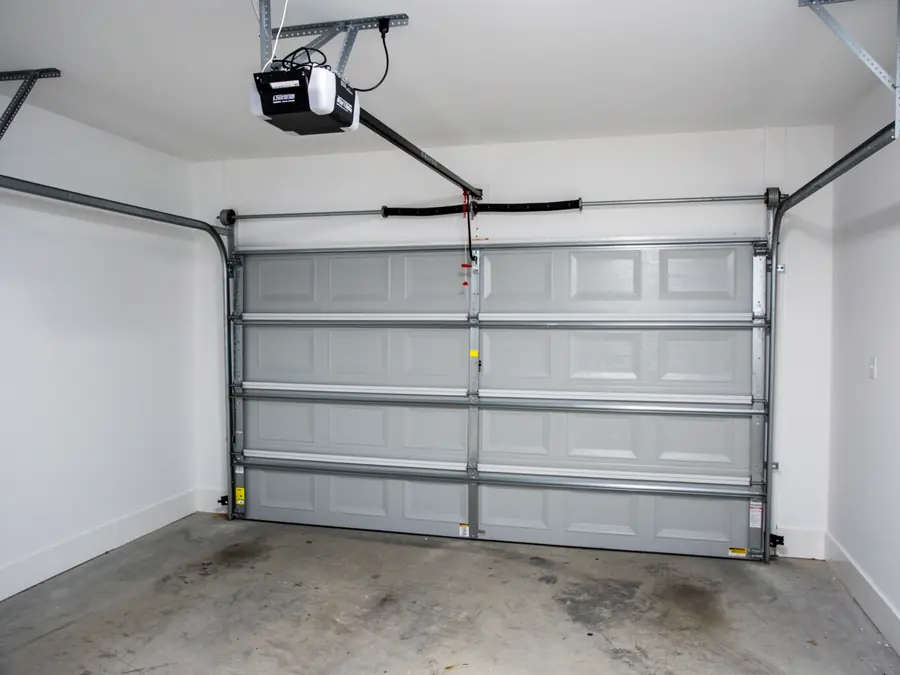 Garage Door InstallationSpring Garage Door Co installs new garage doors for Spring, TX homes built mostly between 1971 and 2011, matched to the area's heat and local door sizes.
 - 03
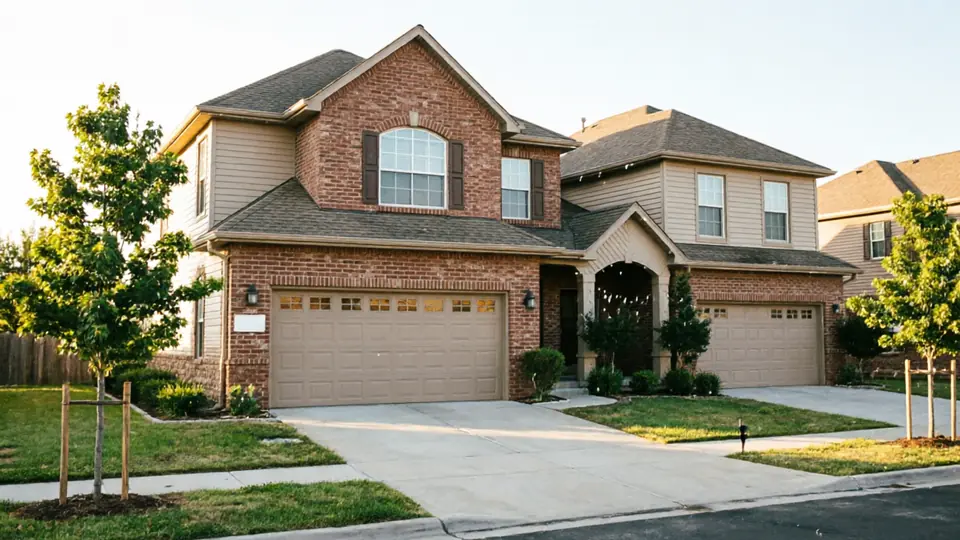 Garage Door ServiceSpring Garage Door Co services garage doors built during Spring's 1980s-90s boom, from Porter Heights to Oak Ridge North. Call for repair or tune-up today.
 - 04
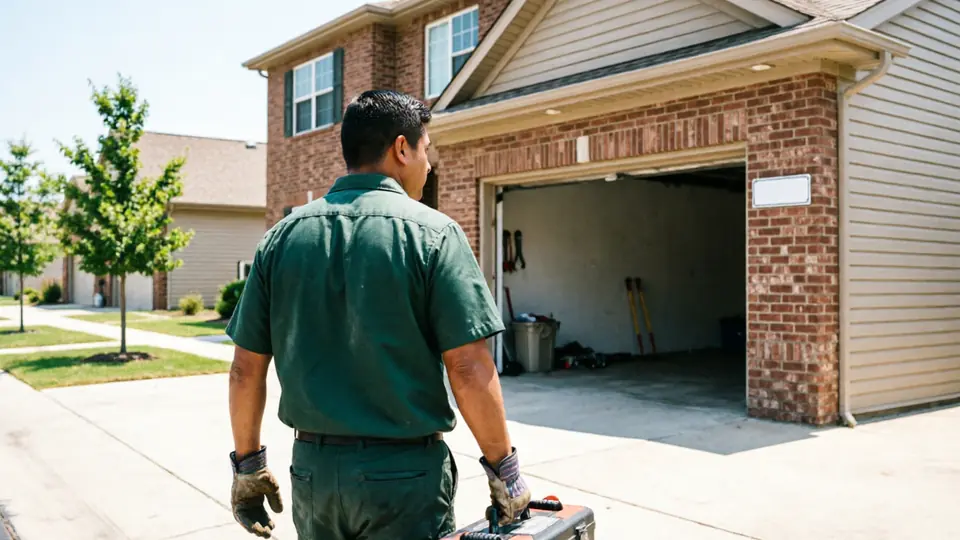 Opener RepairOpener repair for Spring, TX homes built 1971-2011, where heat-worn gears and aging logic boards fail in the same predictable ways. Same service, no guesswork.
 - 05
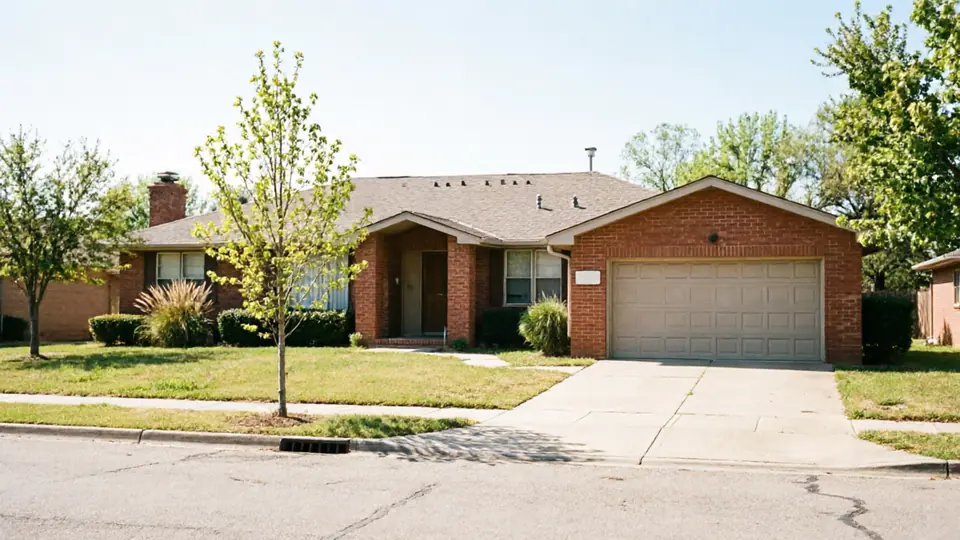 Opener InstallationGarage door opener installation for Spring, TX homes built 1971-2011. We match the opener to your door's age, track type, and the heat load on the motor housing.
 - 06
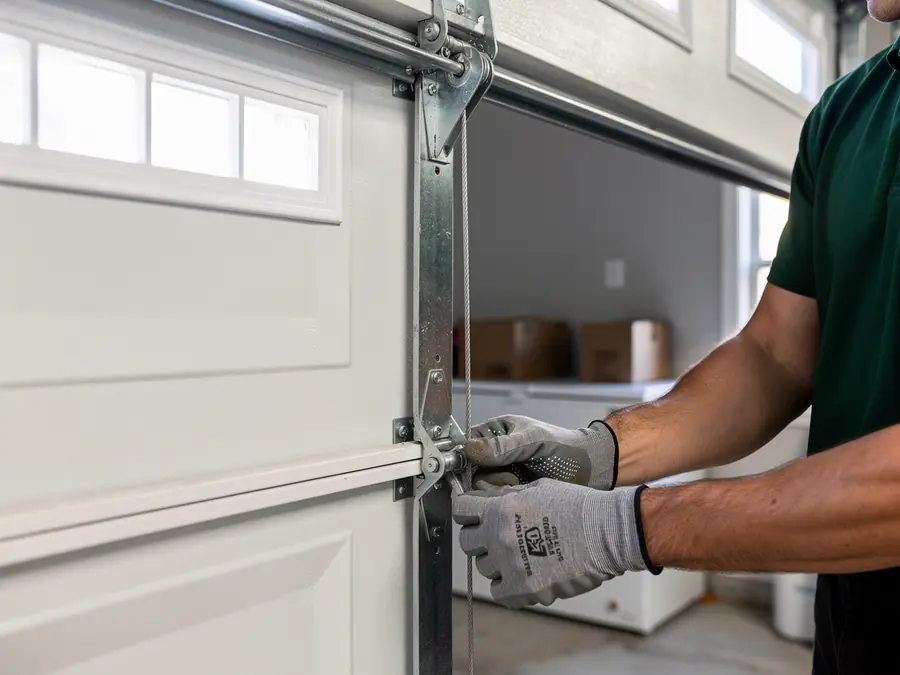 Cable RepairBroken or frayed garage door cables are common in Spring's 1970s-2000s housing stock, especially on heavier two-car doors. Same-day repair is available.
 - 07
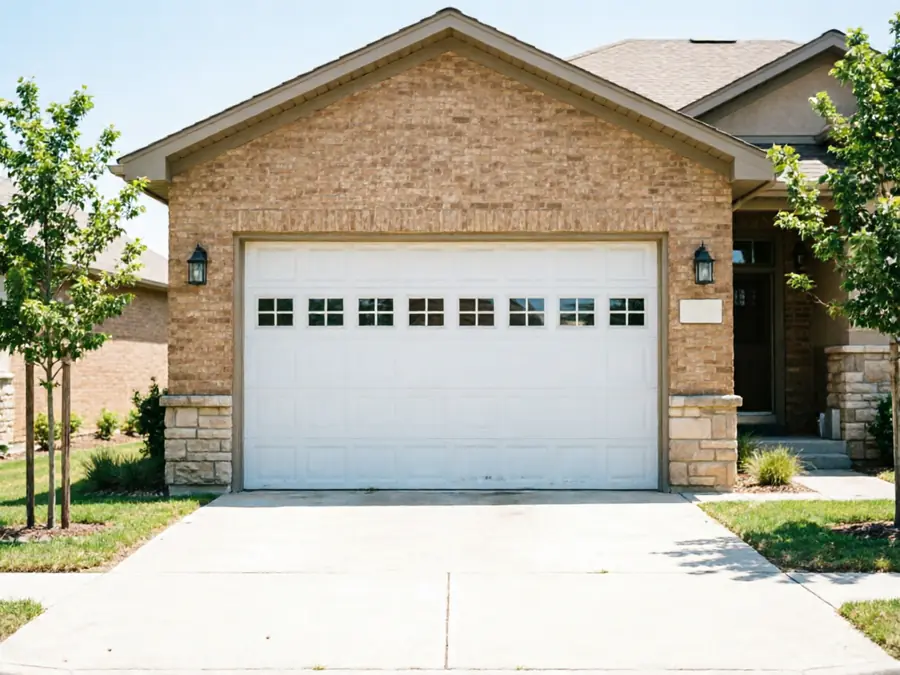 Panel ReplacementReplacing a dented, faded, or cracked garage door panel in Spring, TX? See why 1980s-90s builder-grade doors fail this way and how panel swaps work here.
 - 08
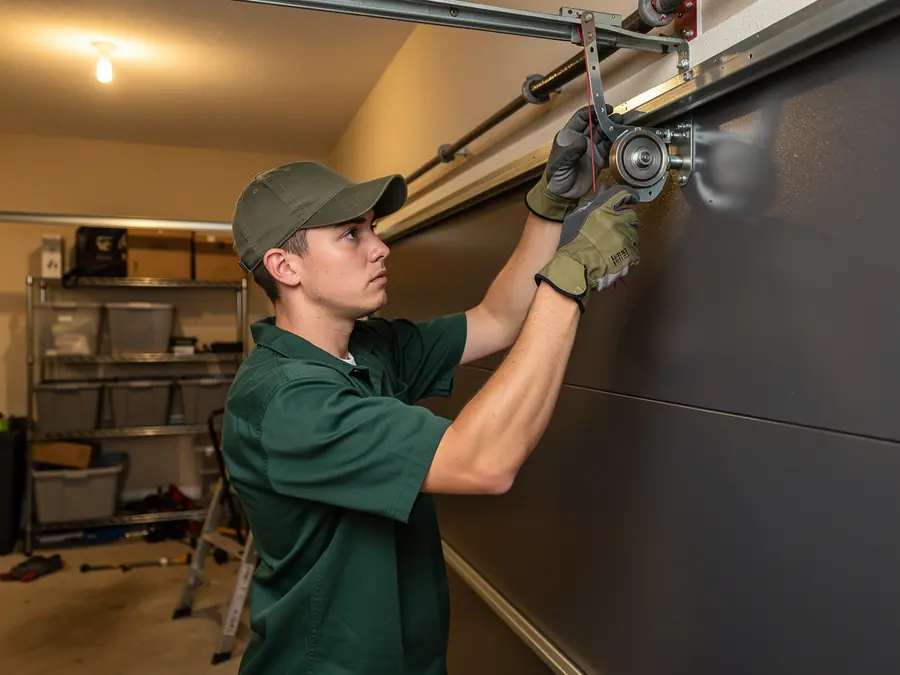 Roller ReplacementWorn or cracked rollers are common in Spring's 1980s-90s housing stock. Spring Garage Door Co replaces them fast, with parts that match your door's original hardware.
FAQ
Questions about this
Does a power outage damage my garage door opener?
No. The outage itself doesn't harm the motor or circuit board - it just stops the opener where it is. The risk is a door left in a bad position, not equipment damage. Once power returns, most openers work normally; a few older units need the remote re-paired.
Should I add battery backup to my opener?
If you'd rather not hand-crank the door every time the power trips, yes. A lot of Spring-area houses built from the 1980s through the 2000s have openers without one. It's not required equipment, just a convenience upgrade worth asking about.
Why won't my manual release work smoothly?
If the cord and release mechanism haven't been used in years, they can stiffen up. Pull it occasionally even when you're not losing power, just so it works when you actually need it.
Tell us what your door is doing.
We serve Spring, TX and nearby communities. Every job starts with a diagnosis, so you know what failed before any work begins.