
Blog
What Happens When a Spring Goes Out in Cold Weather Around Spring
Spring, TX homes built mostly in the 1980s and 90s carry original torsion springs. Here's what our moderate-heat climate does to them and what a cold morning finally reveals.
When Waiting Is Fine
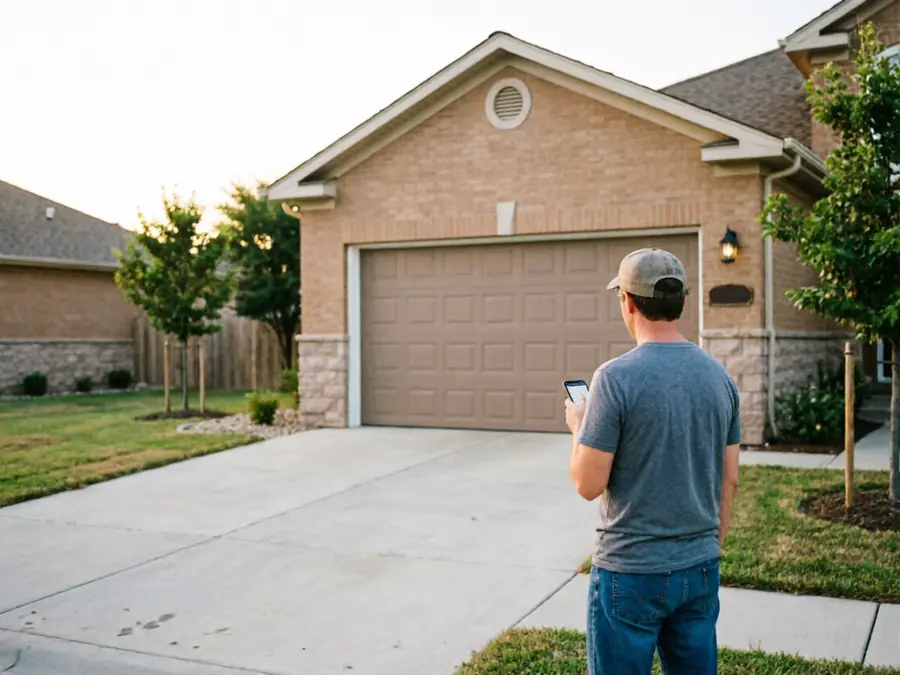
Not every spring problem is an emergency. If your door still opens and closes but sounds different, or the opener strains a little more than it used to, you can usually wait a few days to get it looked at. What you shouldn't wait on is a door that's stuck shut with the car inside, or a spring that's already visibly separated - that's a one-call, don't-drive-on-it situation.
Most of the year here, a slow spring is a slow spring, not a crisis. Spring's climate band runs moderate heat rather than hard cold, so you're not fighting ice on the track or a frozen slab the way a house up north would be. That buys you some room most days. The exception is the handful of genuinely cold mornings a year, when a spring that's been quietly fatiguing for decades picks that moment to let go. If today is one of those mornings and the door won't budge, that's not a wait-and-see call anymore.
We'll say this plainly: we'd rather you call and have it be nothing than wait out a spring that's already cracked. A cracked spring under tension is not a DIY fix, cold morning or not.
The Problem
A lot of what we see traces back to when the house was built. Housing across the Spring service area mostly went up between 1971 and 2011, with the median landing around 1989, and the twelve areas we cover are heaviest in 1980s and 90s construction. That means a huge share of the torsion springs out there are original equipment - the same coil that went in when the garage was framed, now thirty to forty years into daily cycling.
Springs don't fail because they're cold. They fail because metal fatigues, and fatigue is cumulative. Every open and close is a small flex, and after four decades of that, the coil is carrying microscopic cracks you can't see from the driveway. Heat, humidity, and just plain age do the damage over years. Cold weather doesn't cause the crack. It's often just the day the crack finally gives, because contracted metal has a little less give left in it than it did in August.
So the honest version of the problem is this: if your house is original-stock from that 1980s-90s build wave, your spring is old regardless of the season, and a cold morning is just an unlucky trigger, not the root cause.
What the Weather Here Does to It
Spring sits in a moderate-heat climate band, not a moderate-cold one. That matters because it changes what actually wears a spring down here. In a place with real winters, the stress is thermal cycling from freeze to thaw. Here, the stress is months of heat - coils sitting in a hot garage attic space, expanding and contracting through long stretches of 90-degree days, year after year.
That heat fatigue doesn't announce itself. The spring looks fine, the door opens fine, right up until a cold front pushes through and the metal contracts just enough to find the weak point that months of heat already created. That's why spring failures here cluster around the handful of cold mornings a year rather than spreading evenly across the calendar - the damage was already done, the cold just collects on it.
We're not going to tell you cold weather is hard on springs in Spring the way it is somewhere with actual winters, because that wouldn't be true. What's true is that a 30-plus-year-old spring from the 1980s-90s building boom has already absorbed a lot of heat fatigue, and the one or two cold mornings we get are simply when that fatigue shows up.
What to Look At First
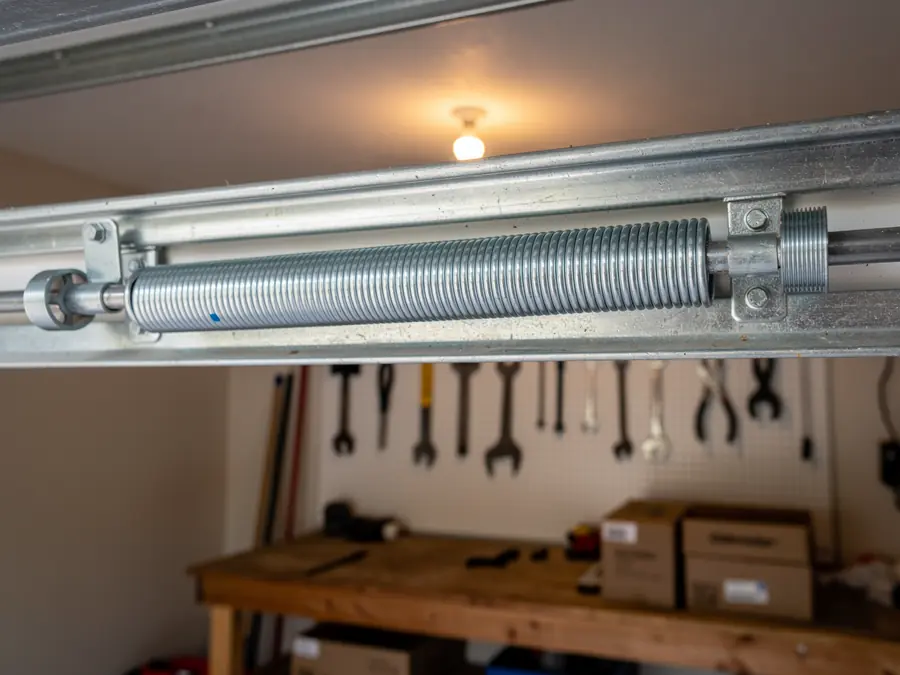
Before you call anyone, look at the spring itself if you can safely see it from the garage floor without touching it. A gap between coils, a visible kink, or rust concentrated at one spot on the coil are all signs of a spring near the end of its life, not just dirty hardware.
Next, look at how the door sits when it's down. A door that hangs slightly crooked, or a cable that looks slack on one side, often means one spring on a two-spring door has already started to go while the other is still carrying the load - a common setup on the older two-car doors from the 1980s and 90s build stock in this area.
Last, listen. A loud bang from the garage, especially on a cold morning, is almost always a spring letting go, not an opener or track issue. If you heard that sound, don't run the opener again - that's the one real limitation worth stating plainly: we don't recommend trying to force a door with a broken spring, even once, because the opener motor isn't built to carry that load and a second attempt usually turns a spring job into an opener job too.
Services
Garage door services in Spring
- 01
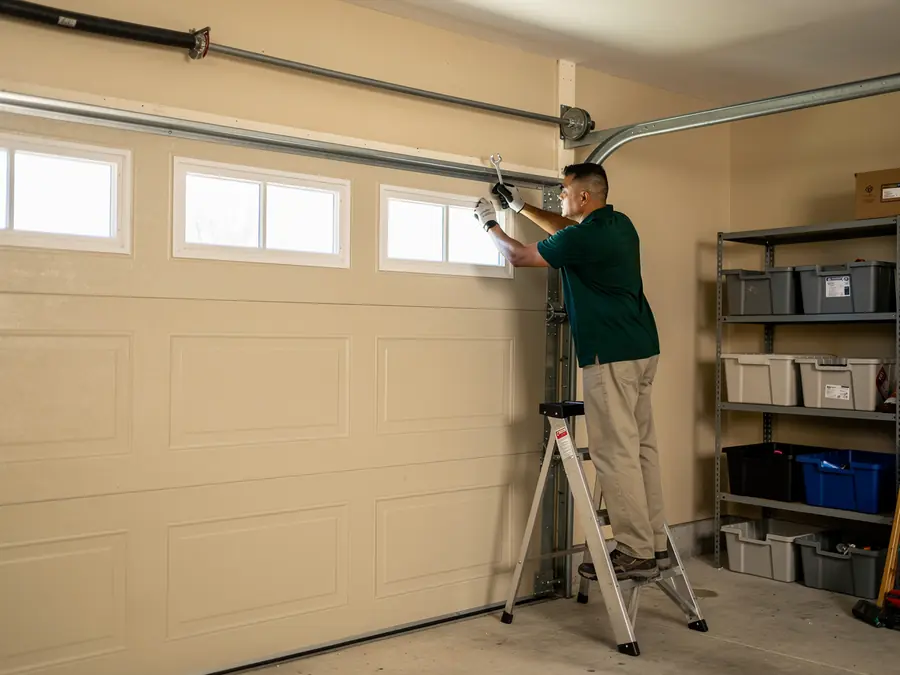 Garage Door RepairSpring Garage Door Co fixes broken springs, worn openers, and track trouble on the torsion-era doors common across Spring, TX homes built 1971-2011.
 - 02
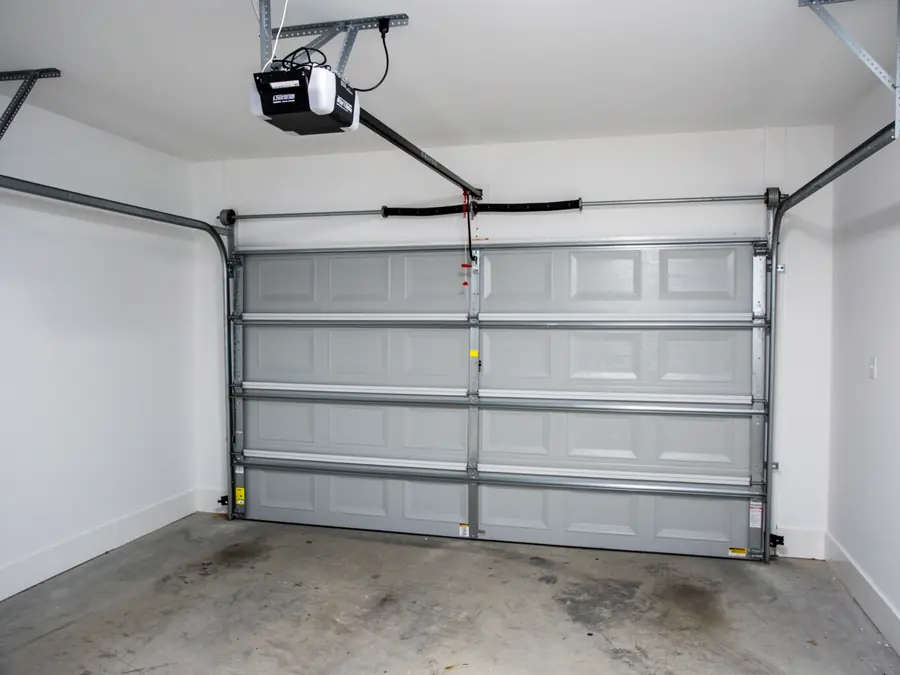 Garage Door InstallationSpring Garage Door Co installs new garage doors for Spring, TX homes built mostly between 1971 and 2011, matched to the area's heat and local door sizes.
 - 03
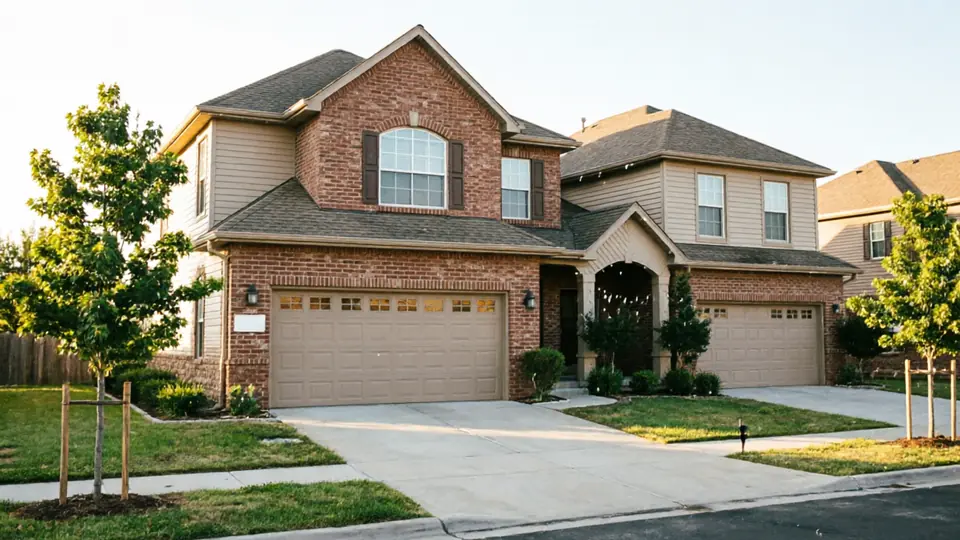 Garage Door ServiceSpring Garage Door Co services garage doors built during Spring's 1980s-90s boom, from Porter Heights to Oak Ridge North. Call for repair or tune-up today.
 - 04
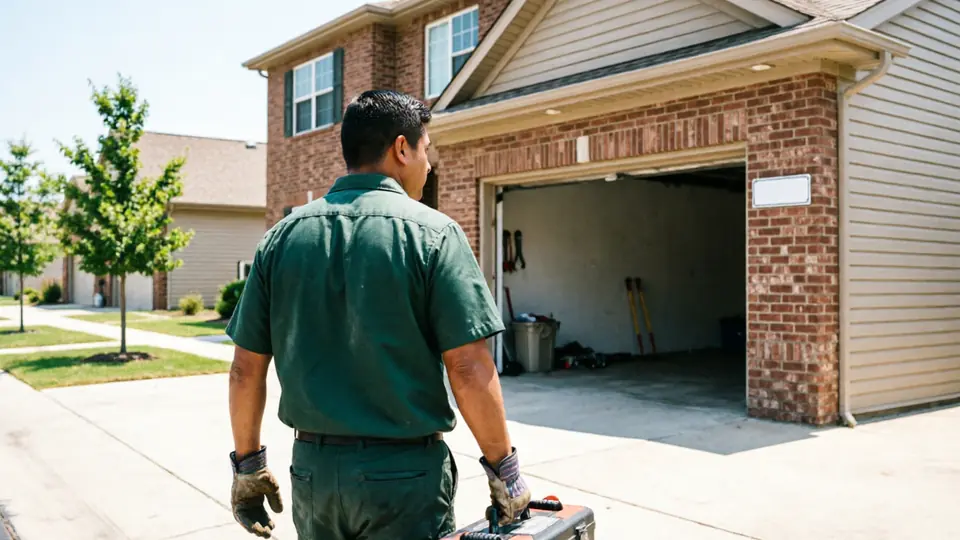 Opener RepairOpener repair for Spring, TX homes built 1971-2011, where heat-worn gears and aging logic boards fail in the same predictable ways. Same service, no guesswork.
 - 05
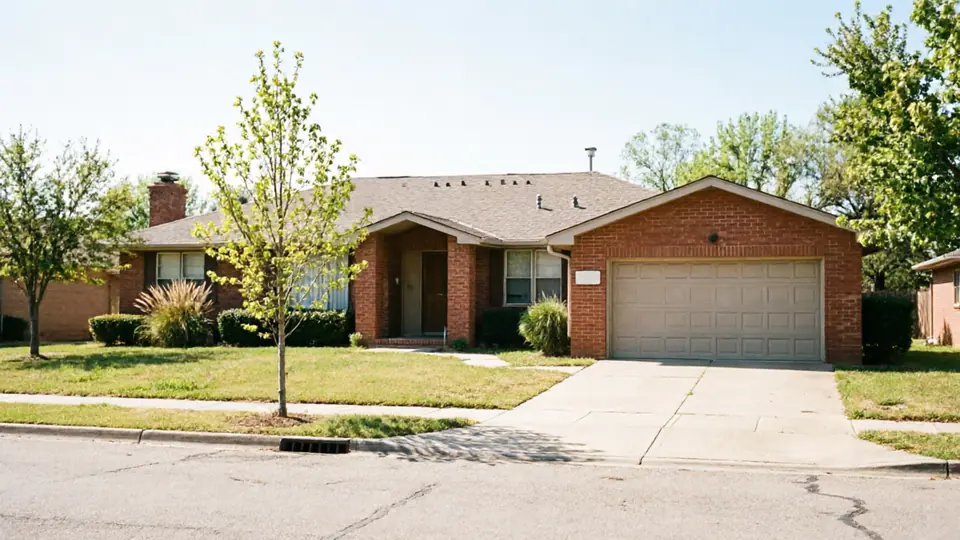 Opener InstallationGarage door opener installation for Spring, TX homes built 1971-2011. We match the opener to your door's age, track type, and the heat load on the motor housing.
 - 06
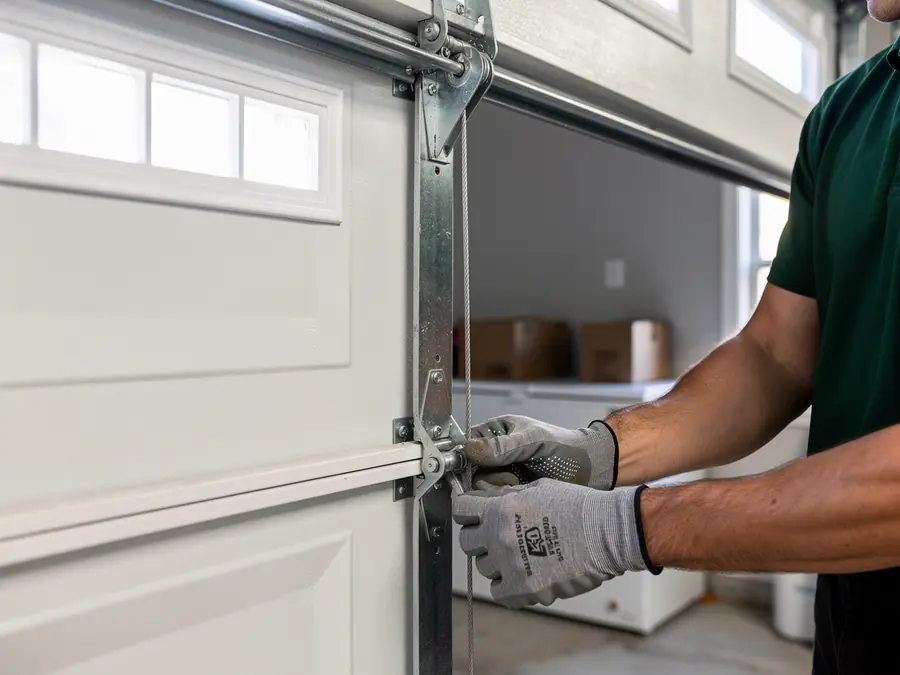 Cable RepairBroken or frayed garage door cables are common in Spring's 1970s-2000s housing stock, especially on heavier two-car doors. Same-day repair is available.
 - 07
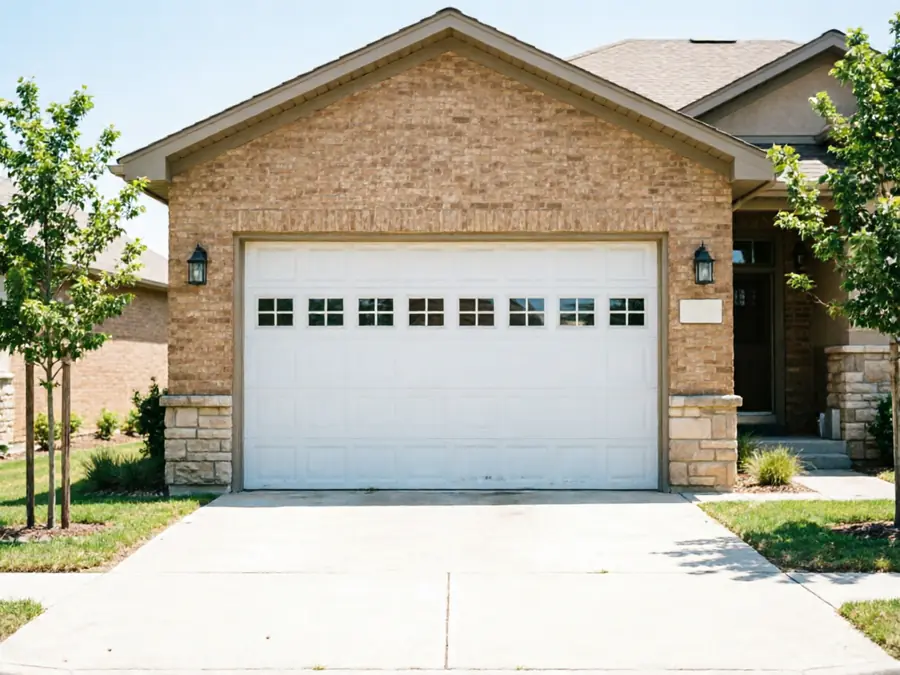 Panel ReplacementReplacing a dented, faded, or cracked garage door panel in Spring, TX? See why 1980s-90s builder-grade doors fail this way and how panel swaps work here.
 - 08
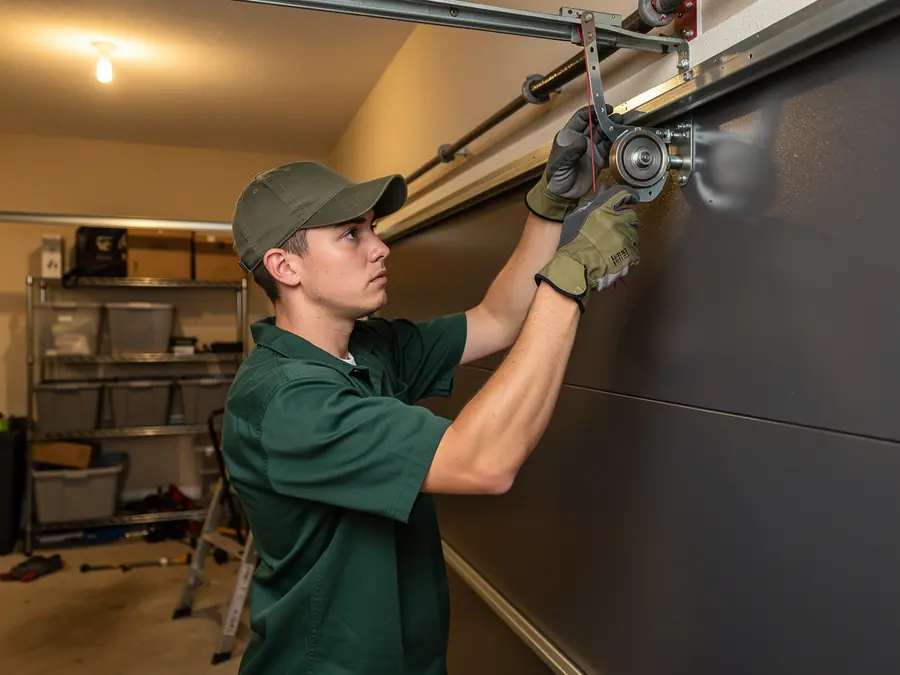 Roller ReplacementWorn or cracked rollers are common in Spring's 1980s-90s housing stock. Spring Garage Door Co replaces them fast, with parts that match your door's original hardware.
FAQ
Questions about this
Why did my spring break on a cold morning when it's never been a problem before?
The cold didn't cause it - it just found it. Springs here fatigue mostly from years of heat cycling, not cold. If your house dates to the 1980s or 90s build wave common across this area, that spring has had three or four decades of heat exposure, and a cold front is often just the day the existing fatigue finally gives way.
Is it safe to wait until morning if my spring breaks at night?
If the door is down and the car isn't trapped inside, yes, it can usually wait until a normal morning call. Don't try to operate the opener on a broken spring in the meantime - that puts the strain on the motor instead of the spring and can turn one repair into two.
Does Spring's weather mean I need a different spring than a house up north?
Not really. Spring's climate band is moderate heat, not heavy freeze-thaw, so the spring itself doesn't need special cold-weather rating. What matters more here is age - a spring original to a 1980s or 90s house has had decades of heat cycling regardless of what the thermometer does on any given morning.
Tell us what your door is doing.
We serve Spring, TX and nearby communities. Every job starts with a diagnosis, so you know what failed before any work begins.