
Blog
What We Actually Check When We Come Out to Your Garage Door
A look at what a Spring Garage Door Co service call checks on homes built mostly in the 1980s and 90s, and why this area's moderate heat wears doors down the way it does.
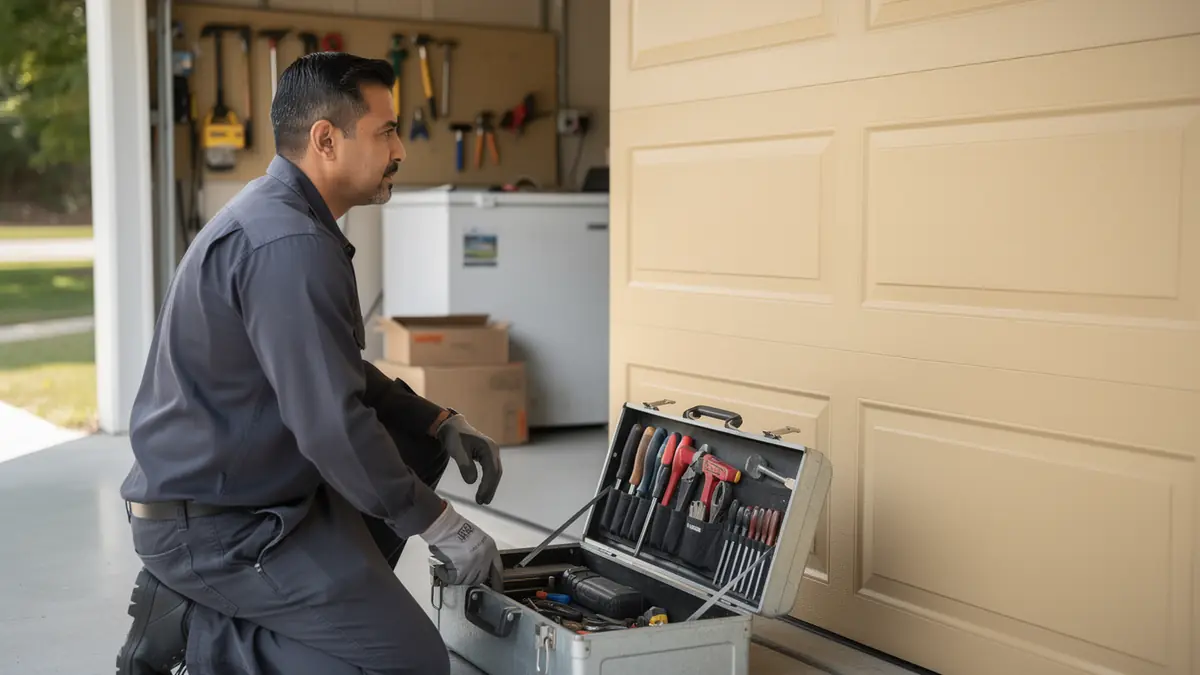
When Waiting Is Fine
Not every call needs to happen today. Most houses in this service area went up somewhere between 1971 and 2011, with the median closer to 1989, and a lot of that original hardware is still doing its job - slowly, maybe loudly, but safely. If your door is making a new noise but still opens and closes square, closing the ticket on the same day usually isn't necessary.
We'll tell you straight if a repair can wait a few weeks versus a few hours. A torsion spring with visible rust but no gap in the coil, a roller that squeaks but isn't binding, a sensor that misfires once a week instead of every time - none of that is an emergency. The honest limitation here: we don't push same-day visits for cosmetic issues just to fill the truck schedule, and if you call about a rattle that turns out to be a loose bracket, we're not going to pretend it's a bigger job than it is.
What does need same-day attention is a door that won't stay up, a snapped cable, or a spring that's let go completely - those put weight on parts that aren't built to hold it alone.
The Problem
A lot of garage doors in this area are original to houses built in the 1980s and 90s, which means the torsion springs, if nobody has touched them, are well past the cycle count they were rated for when installed. Springs don't fail because they're old by the calendar - they fail because they've opened and closed the door more times than the coil was wound to handle, and a 30-plus year old spring on a daily-use door has usually used up that budget years ago.
The second common issue on houses from this build era is the opener itself. Chain-drive units installed when these homes were new are mechanically simple and often still run, but the logic boards and the safety reversal sensors inside them are not rated to last as long as the motor housing around them. We see openers that still lift the door fine but no longer reverse correctly if something is in the way - the part of the system you actually need to work.
We don't replace a working spring or opener just because of its age. If it's cycling safely and the balance is correct, we say so.
What the Weather Here Does to It
This area sits in a moderate heat climate band rather than an extreme one, which changes what actually fails and how fast. You don't get the hard freeze-thaw cracking that splits concrete slabs and snaps brittle hardware overnight the way colder regions do. What you get instead is steady, cumulative heat load on anything rubber, plastic, or lubricated.
Weatherstripping along the bottom of the door and the opener's drive belt or chain lubricant both degrade faster under repeated warm-to-hot swings than they would somewhere with a shorter warm season. Nylon rollers get brittle from heat exposure over years rather than cracking suddenly from cold. Garage interiors here also run hotter than the outside air for long stretches of the day, which is tough on opener circuit boards mounted near the ceiling - that's a slower kind of failure, showing up as intermittent remote response before it shows up as a dead unit.
Because the climate here is moderate rather than severe, none of this demands urgent seasonal prep the way hurricane- or freeze-prone regions require. It's a maintenance-interval problem, not a storm-prep one.
What to Look At First
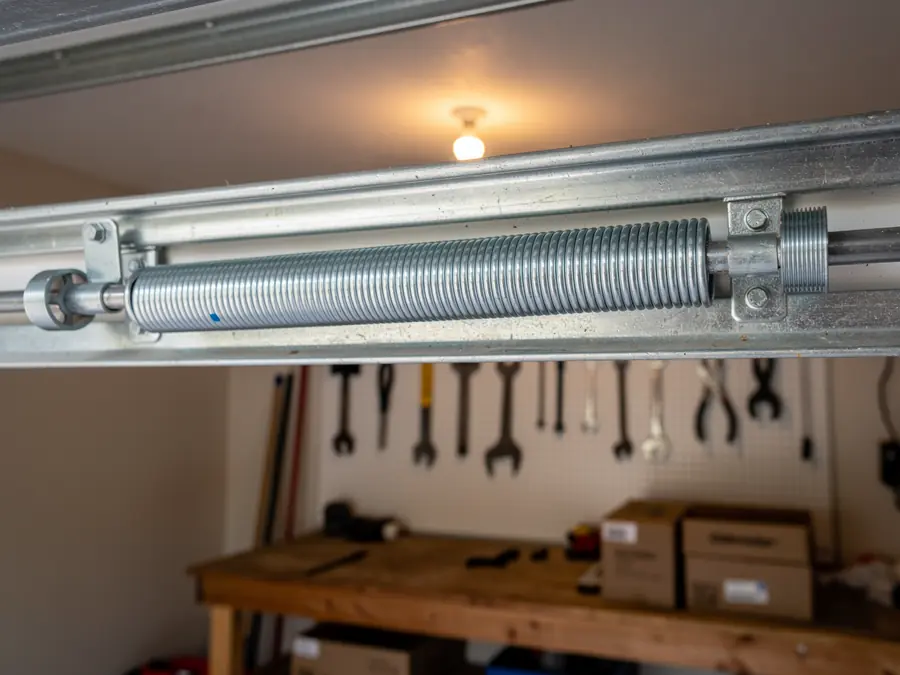
Before you call, look at four things. First, the springs above the door - if either one has a visible gap in the coil, stop using the door and call; that's not a wait-and-see item. Second, the cables on either side of the bottom bracket, checking for fraying strands. Third, the rollers, which on a house from this build era are likely original steel or early nylon and show wear as a wobble in the track rather than a sound. Fourth, the weatherstrip at the bottom edge, since heat-dried rubber loses its seal years before it visibly cracks.
With roughly 7,500 owner-occupied houses across this service area and a median household income near $82,800, most of what we see is routine deferred maintenance on a door that's otherwise sound, not a door that needs full replacement. We'll check the opener's force and travel limit settings while we're there, since those drift over time and are a common reason doors reverse early or close too hard.
If the torsion spring and the opener both need replacing on the same visit, we'll say so plainly rather than stack repairs that don't make sense together.
Services
Garage door services in Spring
- 01
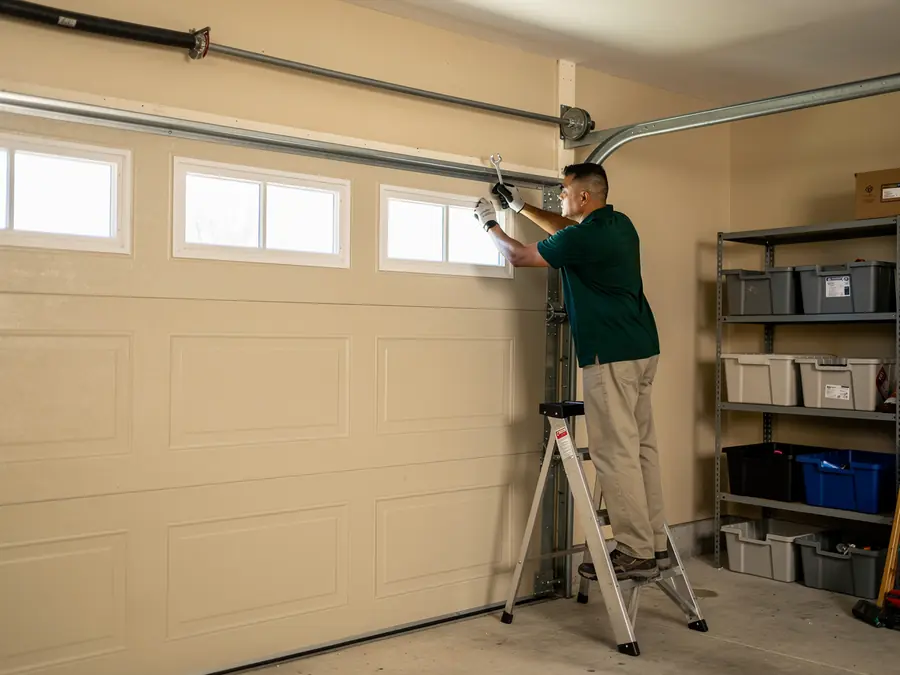 Garage Door RepairSpring Garage Door Co fixes broken springs, worn openers, and track trouble on the torsion-era doors common across Spring, TX homes built 1971-2011.
 - 02
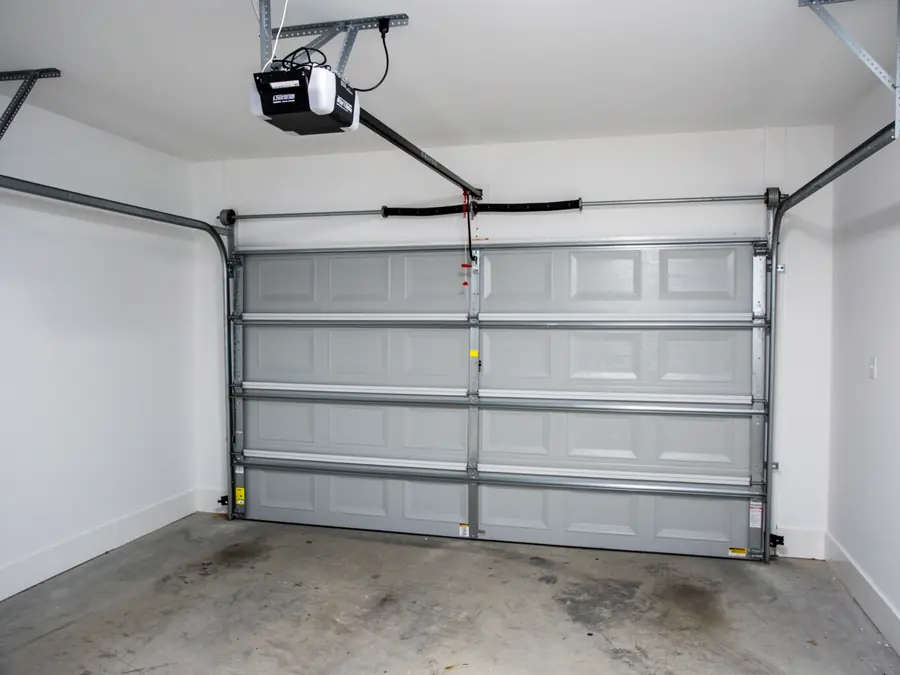 Garage Door InstallationSpring Garage Door Co installs new garage doors for Spring, TX homes built mostly between 1971 and 2011, matched to the area's heat and local door sizes.
 - 03
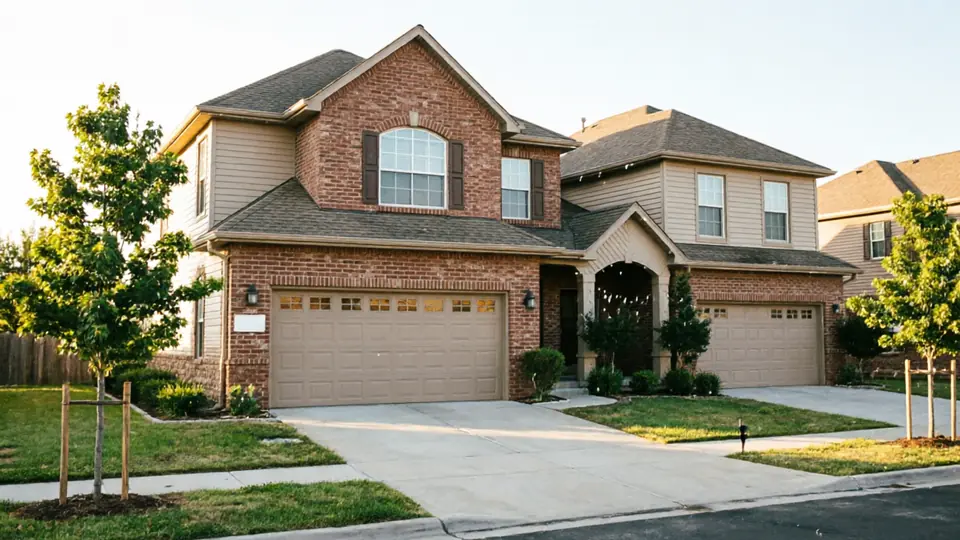 Garage Door ServiceSpring Garage Door Co services garage doors built during Spring's 1980s-90s boom, from Porter Heights to Oak Ridge North. Call for repair or tune-up today.
 - 04
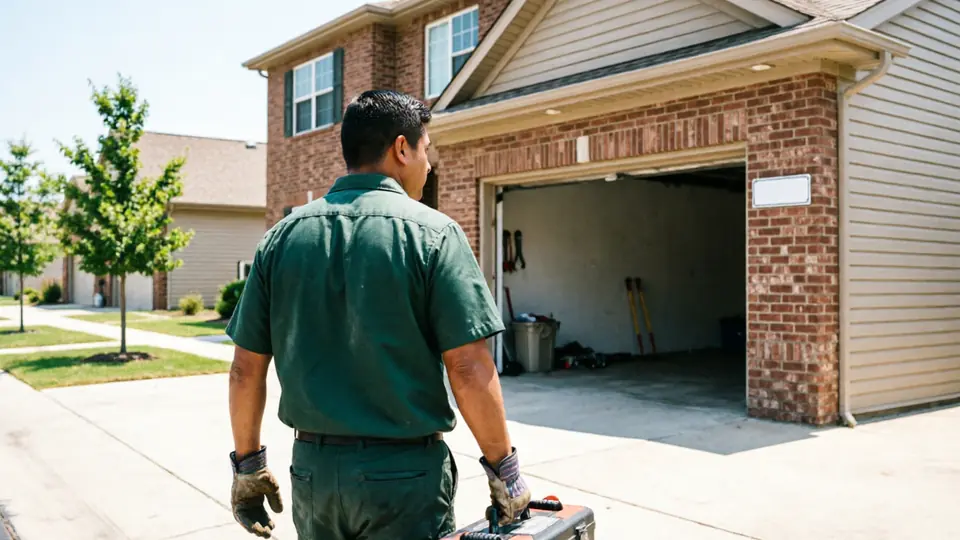 Opener RepairOpener repair for Spring, TX homes built 1971-2011, where heat-worn gears and aging logic boards fail in the same predictable ways. Same service, no guesswork.
 - 05
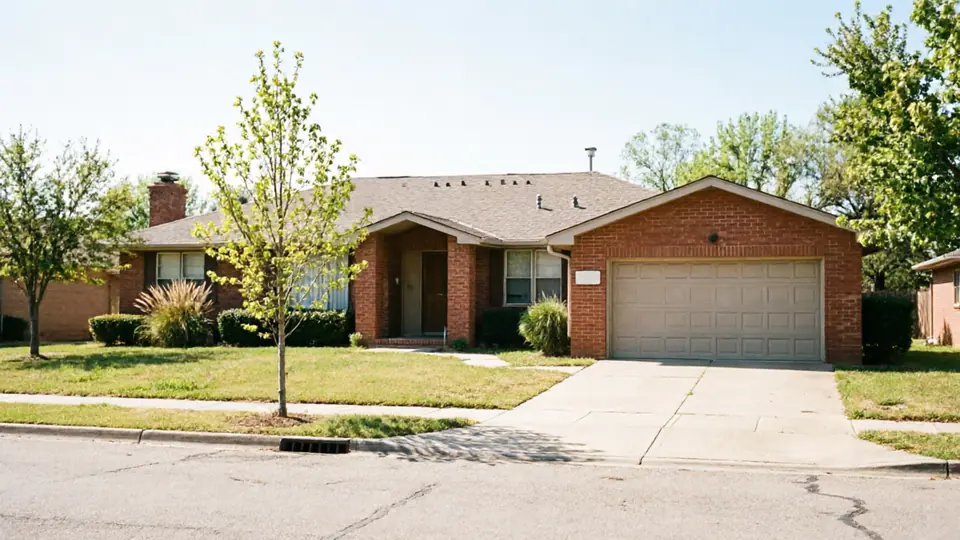 Opener InstallationGarage door opener installation for Spring, TX homes built 1971-2011. We match the opener to your door's age, track type, and the heat load on the motor housing.
 - 06
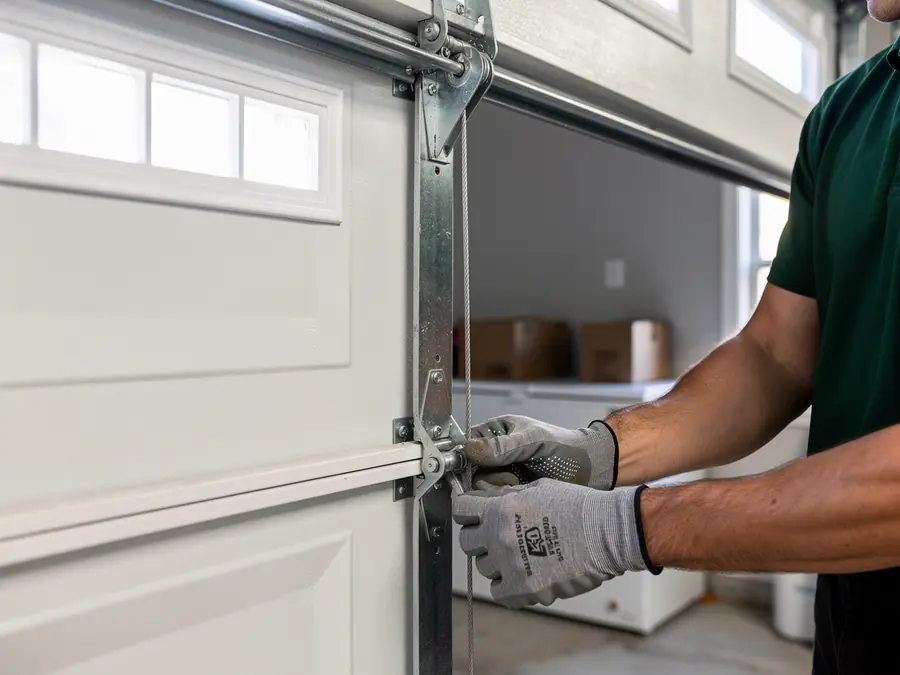 Cable RepairBroken or frayed garage door cables are common in Spring's 1970s-2000s housing stock, especially on heavier two-car doors. Same-day repair is available.
 - 07
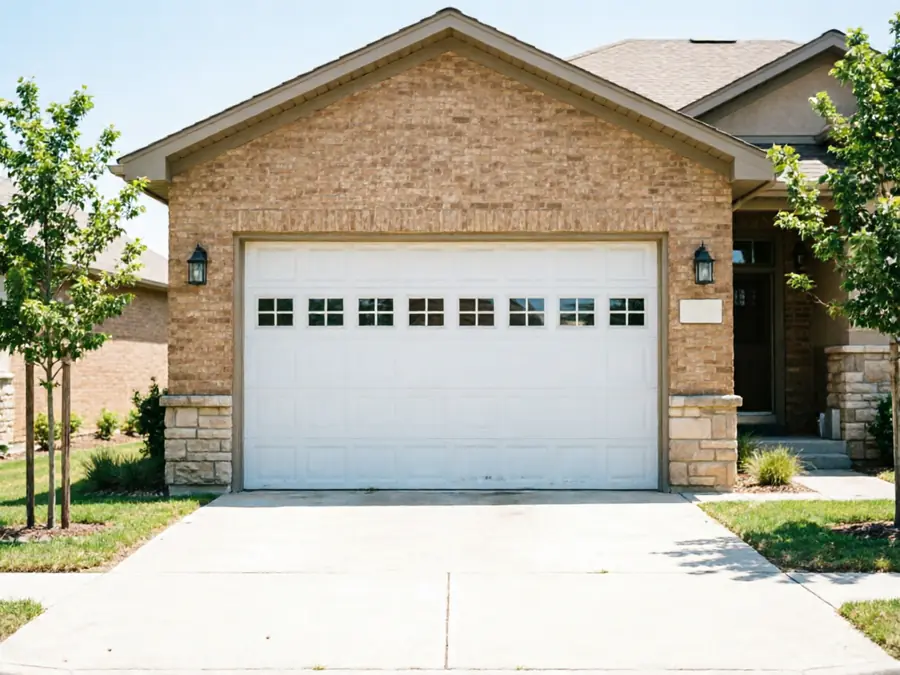 Panel ReplacementReplacing a dented, faded, or cracked garage door panel in Spring, TX? See why 1980s-90s builder-grade doors fail this way and how panel swaps work here.
 - 08
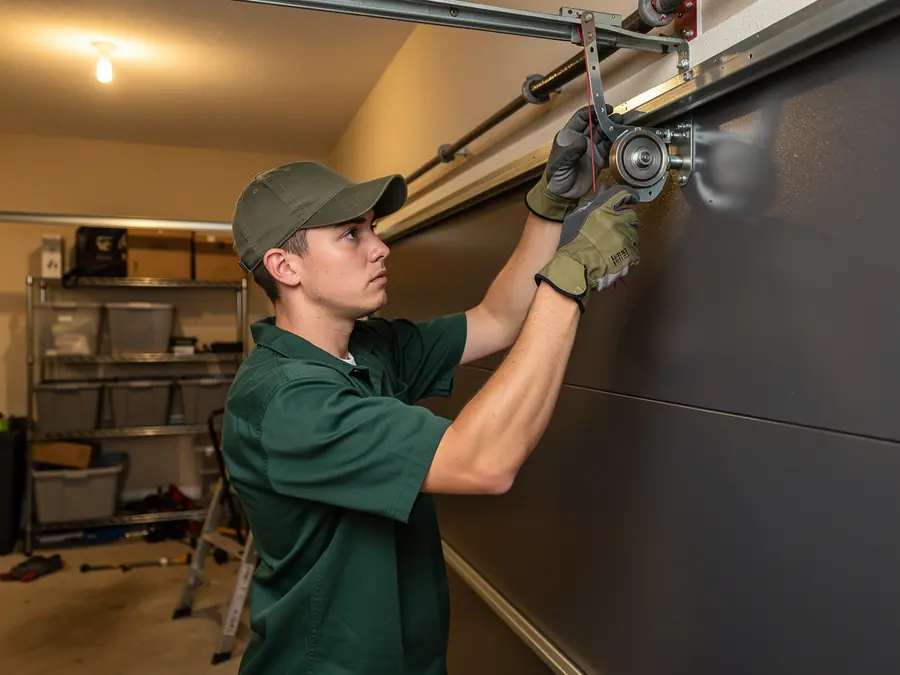 Roller ReplacementWorn or cracked rollers are common in Spring's 1980s-90s housing stock. Spring Garage Door Co replaces them fast, with parts that match your door's original hardware.
FAQ
Questions about this
How old does a garage door spring have to be before it's a risk?
Age by itself isn't the measure - cycle count is. A spring on a door built in the 1980s or 90s that's been used daily has likely gone through its rated cycles regardless of how it looks. If you see a gap anywhere in the coil, stop using the door and have it looked at before using the opener again.
Why does my opener work fine most days but miss the remote sometimes?
That intermittent pattern is common in garages here where interior temperatures swing well above outdoor air for hours at a time. Heat stress on an aging circuit board shows up as occasional misses long before the unit fails outright. It's worth checking before it stops responding altogether.
Does the weather here mean I need to winterize my garage door?
No. This area sits in a moderate heat climate band, not a hard-freeze one, so the usual winterizing steps for cold-climate doors don't apply here. The bigger factor is cumulative heat exposure on rubber seals and lubricant, which is a year-round maintenance issue rather than a seasonal one.
Tell us what your door is doing.
We serve Spring, TX and nearby communities. Every job starts with a diagnosis, so you know what failed before any work begins.