
Opener Installation · Jersey Village
Opener Installation for Jersey Village's 1991-Era Garage Doors
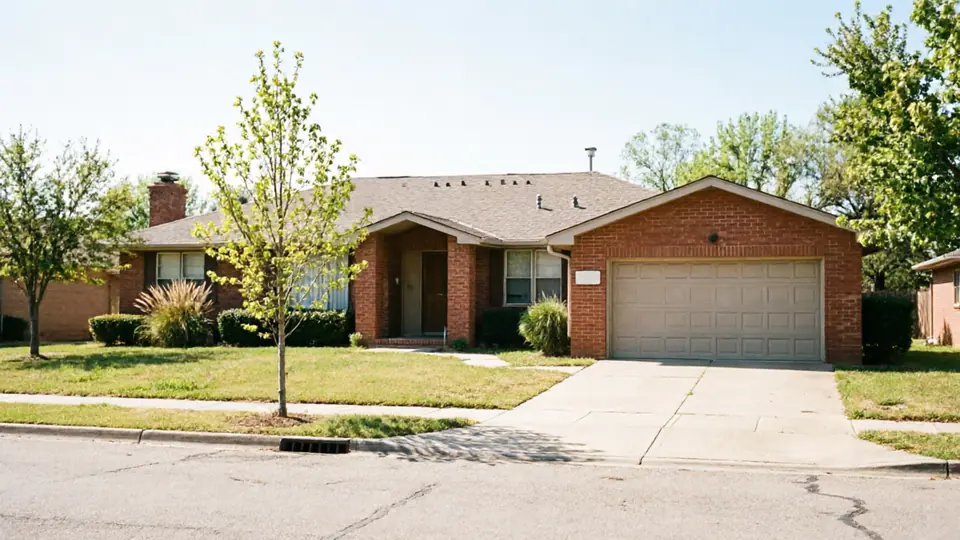
Jersey Village homes mostly date to 1991, right at the line where openers started needing photo-eye sensors. Spring-based install and swap-out, 16 miles out.
How It Shows Up
The call we get from this side of the service area is almost always about an opener that's either dead or doing something it shouldn't - reversing for no reason, grinding instead of lifting, or running the motor without moving the door at all. Before we ask anything else, we ask when the house was built, because in Jersey Village the answer is almost always close to 1991.
That year matters more than people think. Nationwide safety rules requiring photo-eye sensors on garage door openers took hold right around 1993, which means a lot of the original equipment in this area's housing stock - or the first replacement unit installed a decade or two later - was built either just before that standard or right as manufacturers were phasing it in. We see openers out here with mismatched or missing sensor eyes, logic boards wired for a sensor setup that was bolted on later, and travel limits set by someone who never updated them after a spring replacement. It's not that the equipment was bad. It's that it's old enough to predate the safety hardware homeowners now assume is standard.
Heat plays a smaller but real role too. This area sits in a moderate heat band, and over thirty-plus years that kind of exposure wears out capacitors and gear sets on the original motor units faster than people expect from a part that's "never been touched."
Time on the Job
A straight opener swap - same mounting rail, same door, new motor head - is the simplest version of this job. Where it takes longer in a neighborhood like this one is the condition of everything the old opener was bolted to: the header bracket, the rail alignment, and whether the door itself still tracks straight after three decades of use. We check all of that before the new unit goes up, not after, because an opener installed on a door that's already binding will just fail again in a year.
We travel out from Spring for this work, about 16 miles each way, so we schedule the visit to get the whole job done in one trip - pulling the old unit, running new wiring if the circuit is original to the house, mounting the sensors at the correct height, and setting force and travel limits by hand rather than trusting factory defaults. We don't leave a job half-tested. The door gets run through a full open-close cycle with the safety reversal checked before we call it done.
Doing It Yourself
A lot of these openers look simple to swap - unbolt the old motor head, bolt up the new one, plug it in. The part that trips people up is the sensor alignment and the force setting, both of which are easy to get wrong in a way that isn't obvious until the door closes on something it shouldn't. If your current setup doesn't have sensors at all, which isn't rare in a house with original 1991-era wiring, you're not doing a swap - you're adding a safety circuit that wasn't there, and that's a different job than following a manual.
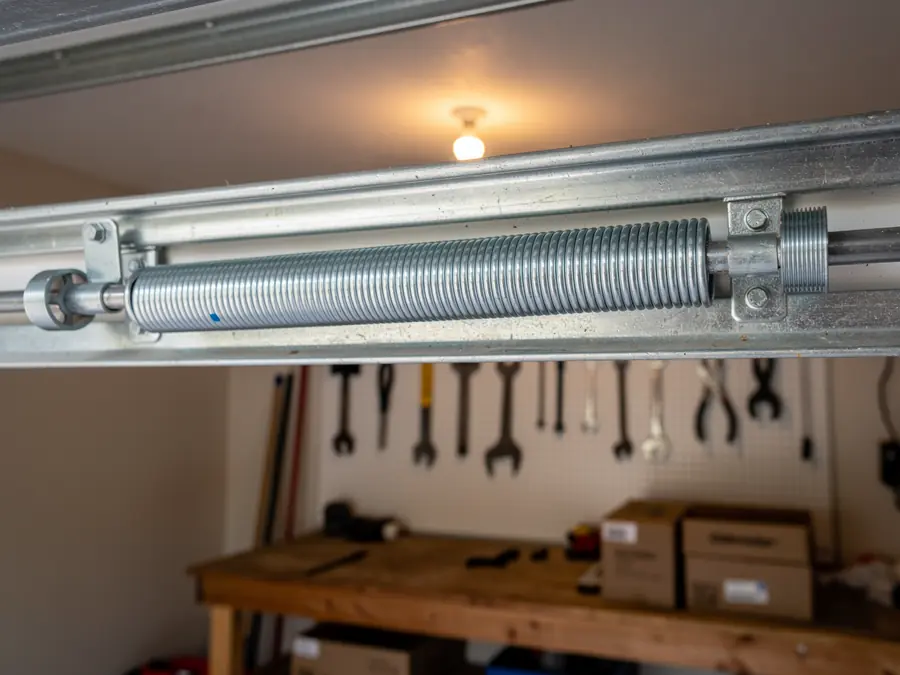
Here's the honest limit: if your opener is original to the house and the rail, springs, and header bracket are original too, we'll usually tell you a full opener-and-hardware job makes more sense than installing a new motor on worn-out mounting points. Putting a new $200 motor on a bent rail just moves the failure point, it doesn't fix it. We'll say that up front rather than sell you a part that's going to come back in six months.
What Can Go Wrong
The most common failure we find on a first visit here isn't the motor - it's the sensor alignment drifting out over years until the door starts reversing on dust or a spiderweb crossing the beam. Homeowners usually blame the opener and replace it, when the fix was a five-minute realignment.
The second most common issue is travel limits set wrong after a spring or cable repair done separately from the opener work. If nobody reset the limits afterward, the door either doesn't seat fully at the bottom or strains against the top stop every cycle, which shortens the life of the new motor fast.
The one we see tied directly to the age of this area's housing stock: openers wired into circuits that were never grounded to current code. We won't install new equipment onto wiring that isn't safe, even if that means the job takes longer than the homeowner expected.
FAQ
Questions about this
Does my opener need photo-eye sensors if the house was built in 1991?
Not always as a hard legal requirement for existing equipment, but if your house dates to right around 1991 it's very possible your original opener predates the safety sensor standard entirely. We'll check during the visit and add sensors as part of the install if they're missing.
How far out is Jersey Village from your base in Spring?
About 16 miles. We schedule opener installs out here as a single trip, so plan for us to handle removal, mounting, wiring, and testing in one visit rather than a return visit for adjustments.
Can I just replace the motor and keep my old rail and sensors?
Sometimes, if the rail is straight and the sensors are already correctly wired and aligned. If the hardware is original to a 1991-era build, we'll usually check it closely first, since mounting a new motor to worn brackets just shifts the problem.
Why does my new opener keep reversing when the door is closing?
Almost always a sensor alignment or obstruction issue, not a defective opener. Humidity and small debris can throw off the beam over time. It's one of the first things we check before assuming the unit itself is at fault.
Tell us what your door is doing.
We serve Spring, TX and nearby communities. Every job starts with a diagnosis, so you know what failed before any work begins.