
Roller Replacement · Porter Heights
Roller Replacement for Porter Heights' Older Doors
Porter Heights sits 7 miles from our Spring shop, and its 1978-era garage doors wear rollers differently than newer stock. Here's what that means for your call.
Why This Fails Locally
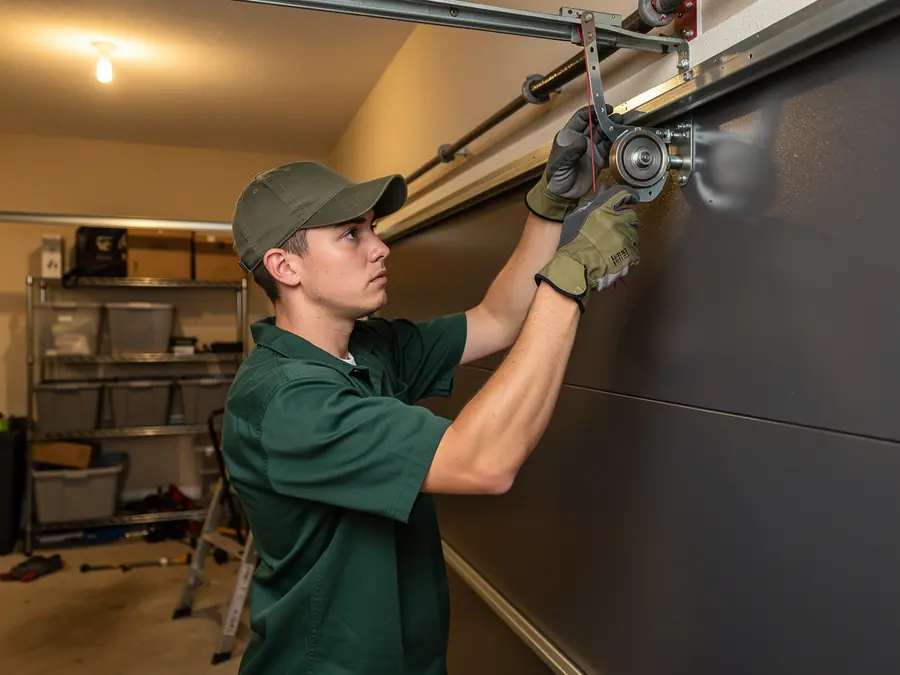
Porter Heights is a 7-mile drive from our Spring shop, close enough that a roller job doesn't turn into an all-day wait, but far enough that we load the truck before we leave, not after we see your door. That matters here because Porter Heights isn't typical of the wider service area. Housing across our coverage runs 1971 to 2011 with a median around 1989, but Porter Heights itself centers closer to 1978 - older than most of what we work on day to day. Doors from that era were built with steel rollers on narrower tracks than what you'd find in a house built in the 2000s, and after four-plus decades those rollers have usually worn an uneven groove into the track itself, not just the roller. Swap in a generic nylon roller without checking the track wear and the door will still bind, just more quietly for a while. The fix on a 1978 door isn't the same fix as on a 1995 door, even though both show up as "the door's loud" on the phone.
Doing It Yourself
Rollers are one of the more DIY-friendly garage door parts, and on a lot of newer doors swapping a worn nylon roller for a new one is a reasonable weekend job if you've got the clamps and know to keep the spring loaded. On an older door like what's common in Porter Heights, the catch is that the roller is rarely the only worn part. Steel rollers from that era often ride in tracks that have deformed slightly over 40-plus years, and a new roller dropped into a bent track will bind again within a few weeks. If you go this route, check the track for flat spots or bowing before you buy parts, and don't force a stiff door through its cycle with the opener - that's how cables jump their drums. We're honest that this isn't always a call-a-pro job; it's the track condition, not the roller brand, that decides it.
How It Shows Up
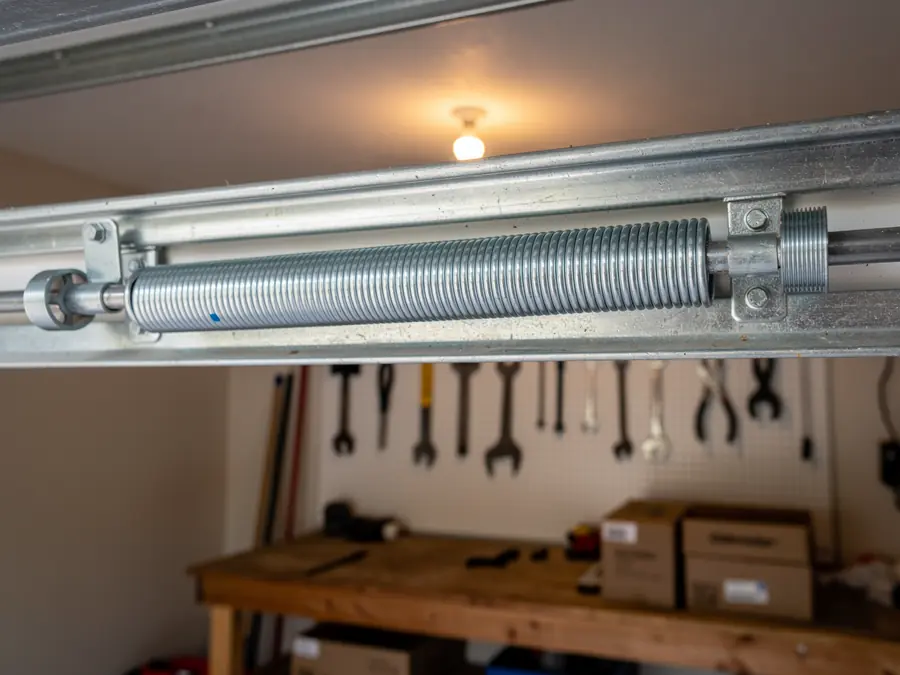
On the older stock around Porter Heights, roller failure usually announces itself as a grinding or scraping sound right at the point where the door passes the bend from vertical to horizontal track - that's where original steel rollers wear hardest after decades of the same radius. You'll also notice the door hesitating or jerking at that same spot, sometimes enough that the opener strains and reverses. On houses with the originally-installed hardware, we often find the rollers themselves are fine on the straight runs and shot specifically at the curve, which tells us the track geometry, not just age, is doing the damage. A door that's gone quiet on the straightaway but still barks on the curve is a roller-and-track issue, not a spring issue, and it's worth saying so before anyone pays for the wrong repair.
How We Fix It
We come out from Spring with both steel and nylon roller options on the truck, because which one makes sense depends on what's installed. On a door from the Porter Heights housing stock we're usually replacing steel rollers with sealed nylon ones, since nylon runs quieter and doesn't need the same lubrication schedule steel does. If the track has worn unevenly at the curve, we true it or replace that section rather than just dropping in new rollers and calling it done - a new roller in a bad track buys you a few weeks, not years. One limit worth naming: if the track is bent badly enough, or the door panel itself has sagged from decades of strain, roller replacement won't solve it and we'll tell you that on site rather than sell you a part that won't hold.
How to Book
Porter Heights is a 7-mile run for us, so getting a truck out doesn't require rearranging the week - we just need to know what the door's doing before we load parts. Tell us the sound, where in the cycle it happens, and roughly how old the door is if you know it, since that's often enough for us to guess steel versus nylon rollers before we arrive. You can see what else we cover in your area on the coverage page, or if you're closer to Spring itself, the general roller replacement page there covers that service area's own housing mix, which runs newer than what's typical in Porter Heights.
FAQ
Questions about this
Why do the rollers on my older Porter Heights garage door wear out faster than my neighbor's newer one?
If your house is closer to the 1978 era common in Porter Heights, the door likely has original steel rollers on a narrower track than houses built later. Steel wears the track itself over decades, not just the roller, so the failure pattern is different from a 15-year-old door with factory nylon rollers.
Do you have a shop in Porter Heights?
No - we work out of Spring, about 7 miles away, and bring rollers and track parts on the truck for the job rather than running back for stock. That drive is short enough that it doesn't change how we price or schedule the work.
Can I just replace the roller and skip the track?
On newer doors, often yes. On the older stock common in Porter Heights, the track has frequently worn a groove to match the old steel roller, and a new roller alone will bind again within weeks. We check the track before we quote the job.
How do I know if it's a roller problem or something else?
Grinding or jerking right where the track curves from vertical to horizontal usually points to rollers and track wear at that bend, especially on older doors. A door that's quiet on the straight run but noisy only at the curve is a strong sign it's roller-related, not a spring or opener issue.
Tell us what your door is doing.
We serve Spring, TX and nearby communities. Every job starts with a diagnosis, so you know what failed before any work begins.